

Multi-Gas Monitors
Most confined-space permits and hazmat entry checklists begin with a multi-gas reading. This category holds the portable monitors that take it: 4-gas wearables such as the BW Clip4, GasAlert MicroClip X3 and RKI GX-3R, pumped samplers like the GasAlert Max XT II and mPower POLI MP400P, and configurable 5- and 6-gas platforms from Honeywell's MultiRAE line, Dräger's X-am series and GfG's Microtector.
Fire departments, hazmat teams, utilities and plant safety staff carry them for entry, leak response and personal monitoring. When they need calibration or repair, our San Antonio Repair Depot issues certificates tied to each instrument's serial number.
Tax-exempt
Tax-exempt agency or organization?Set up a tax-exempt FarrWest account and skip sales tax at checkout. One certificate, every order.
Apply for tax-exempt status →Featured Multi-Gas Monitors equipment
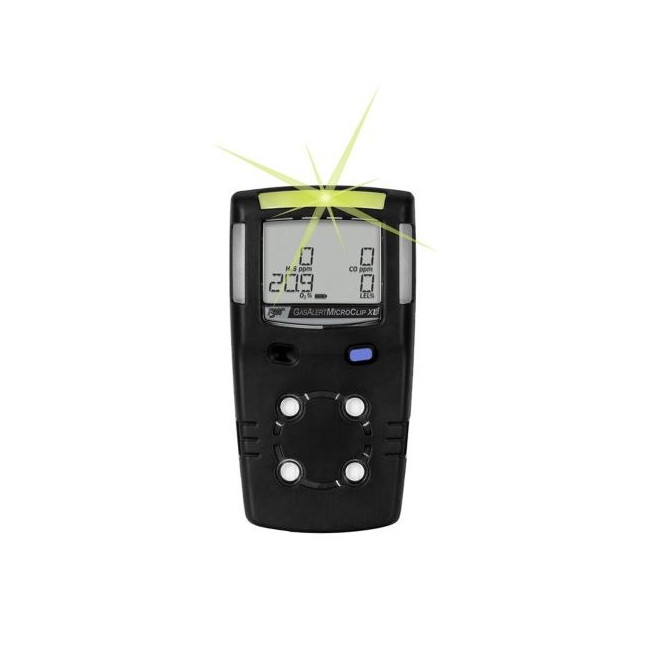
BW MicroClip XL
Compact 4-gas detector, low up-front cost, 18-hr runtime, cold-weather guarantee
Part # MCXL-XWHM-Y-NA
$972.93

GX-3R
The RKI Instruments GX-3R is the world's smallest 4-gas confined-space monitor for workers in refineries, utilities, oil and gas, and emergency services.
Price range: $160.00 through $255.00
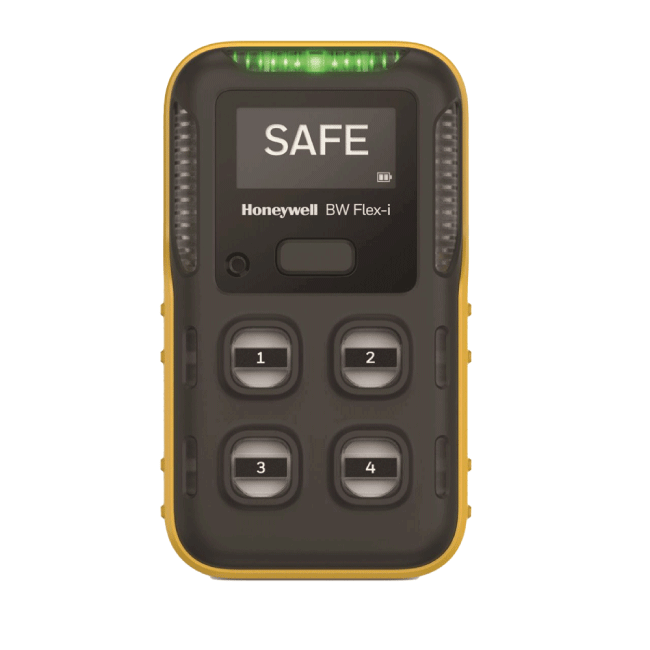
Honeywell BW Flex – Multi-Gas Detector with Bluetooth and i-Series Sensor Technology
The Honeywell BW Flex is a multi-gas detector that identifies up to 4 gas hazards using i-Series sensor technology with Bluetooth connectivity for quick reporting.
Part # CPD-W6X1H1M1-Y-00
$902.87
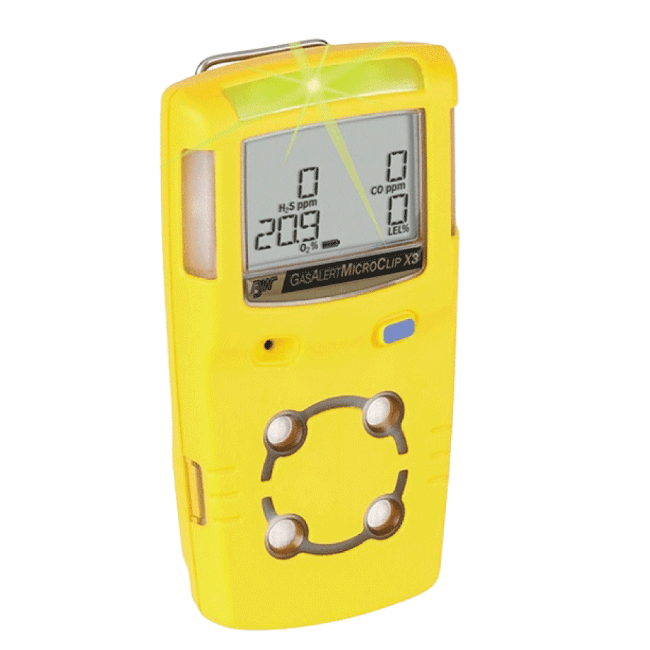
Honeywell GasAlert MicroClip X3 – Compact 4-Gas Detector with IntelliFlash and 3-Year Sensor Life
The Honeywell GasAlert MicroClip X3 is a compact 4-gas detector with IntelliFlash alerting and a 3-year sensor life for affordable, OSHA-compliant monitoring.
$1,017.00
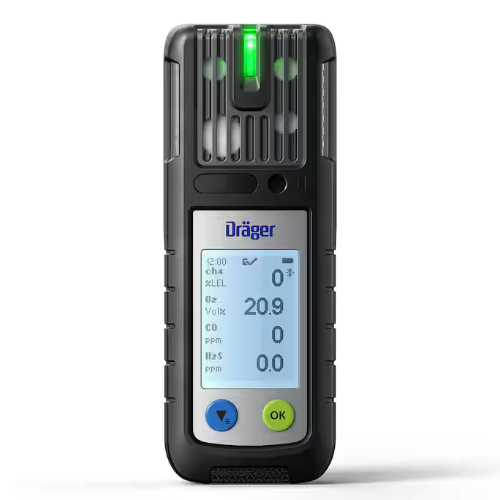
X-am® 2800
The Dräger X-am 2800 is a multi-gas detector covering up to four gases, featuring a rugged CatEx SR sensor and live data monitoring via Gas Detection Connect.
Part # NA11350
$1,366.00

BW Clip4
The Honeywell BW Clip4 is a wearable four-gas detector for workers requiring continuous hazardous environment monitoring with two-year maintenance-free operation.
$0.00

Gas-Rover w/ CO & O2 (VGC-301 / VGO-321)
Gas-Rover variants adding carbon-monoxide and oxygen sensors for safety checks alongside combustibles
$0.00

GasAlert Max XT II
4-gas detector with integrated motorized pump for remote sampling and IntelliFlash compliance LED
$0.00
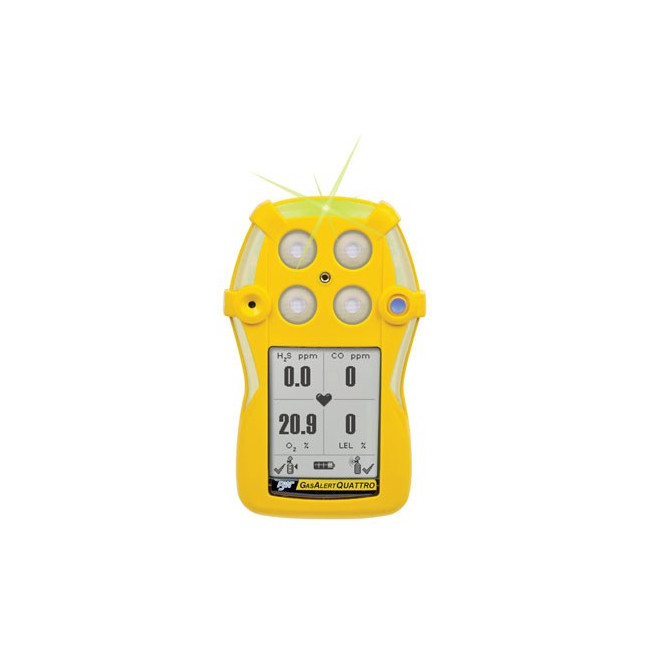
GasAlertQuattro
Rugged 4-gas confined-space detector (O2, LEL, H2S, CO) with datalogging and IntelliFlash
$0.00
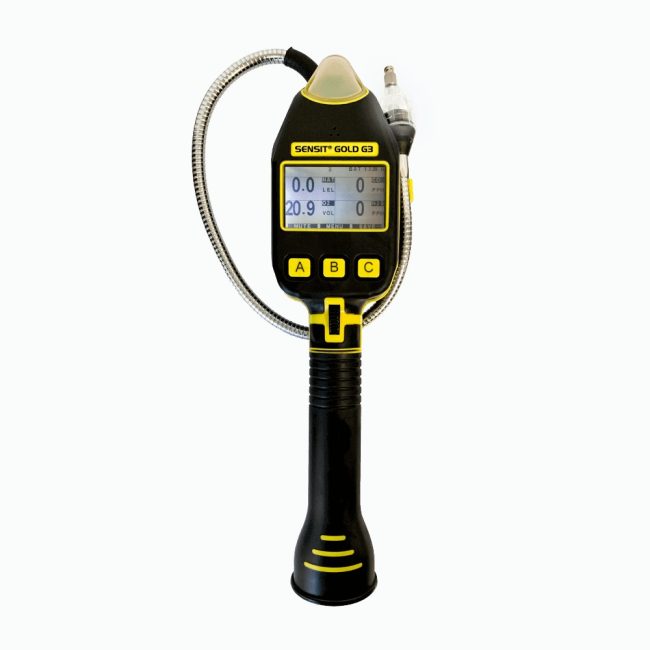
GOLD G3
The SENSIT GOLD G3 is a next-gen multi-gas leak detector for workers who need to safely locate and monitor gas leaks in above and below-ground environments.
$0.00

GX-3R Pro
The RKI INSTRUMENTS GX-3R Pro is a lightweight 5-gas monitor with Bluetooth connectivity and man-down alarm for confined space and hazardous environment safety.
$0.00

Honeywell BW Icon – 4-Gas Detector with Fixed 2-Year Life and Icon-Based Display
The Honeywell BW Icon is a 4-gas detector with a fixed 2-year operating life, requiring no sensor or battery replacement, and simple icon-based alerts.
$0.00

Honeywell BW Ultra – 5-Gas Detector for Confined Space Monitoring
The Honeywell BW Ultra is a rugged, portable 5-gas detector purpose-built for confined space monitoring and sampling.
$0.00
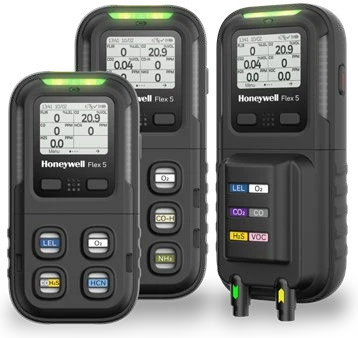
Honeywell Flex 5 Series Modular Multi-Gas Detector
The Honeywell Flex 5 Series is a modular, portable multi-gas detector that monitors up to six gases. Field-replaceable sensor cartridges let one base unit run as a 4-, 5- or 6-gas wearable or as a pumped confined-space sampler, with Bluetooth, NFC actionTAGS and Safety Suite 2.0 connectivity.
$0.00
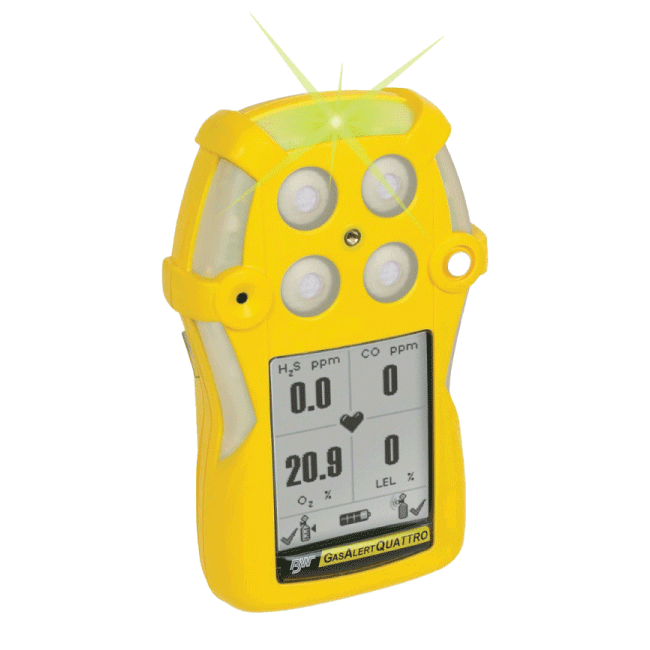
Honeywell GasAlert Quattro – Rugged Four-Gas Detector for Confined Space Entry and Industrial Safety
The Honeywell GasAlert Quattro is a rugged four-gas detector built for confined space entry and industrial safety monitoring.
$0.00

Honeywell MicroRAE – Wireless 4-Gas Diffusion Monitor for Connected Worker Safety
Honeywell MicroRAE is a compact, wireless 4-gas diffusion monitor detecting H₂S, CO, O₂, and LEL, built for connected worker safety programs.
$0.00
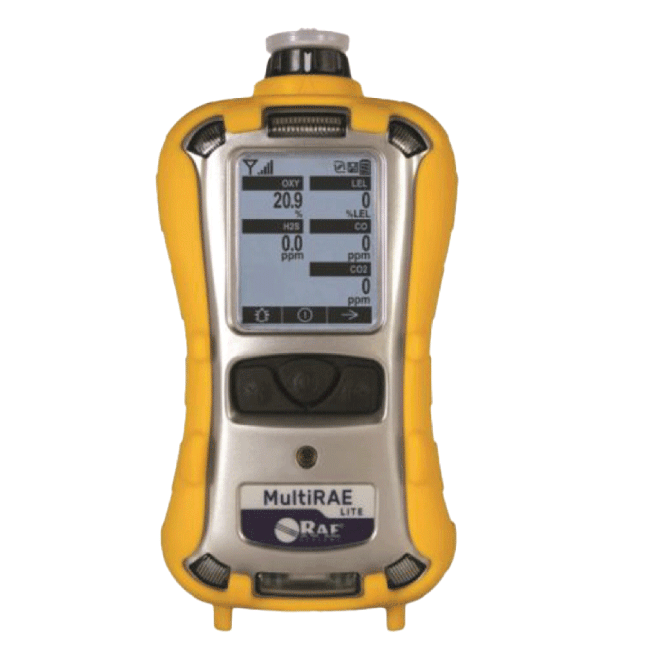
Honeywell MultiRAE Lite – Wireless One-to-Six Gas Monitor for VOCs, Combustibles & Toxic Gases
The Honeywell MultiRAE Lite is a customizable, wireless one-to-six gas monitor for VOCs, combustibles, toxics, and oxygen in field and industrial settings.
$0.00
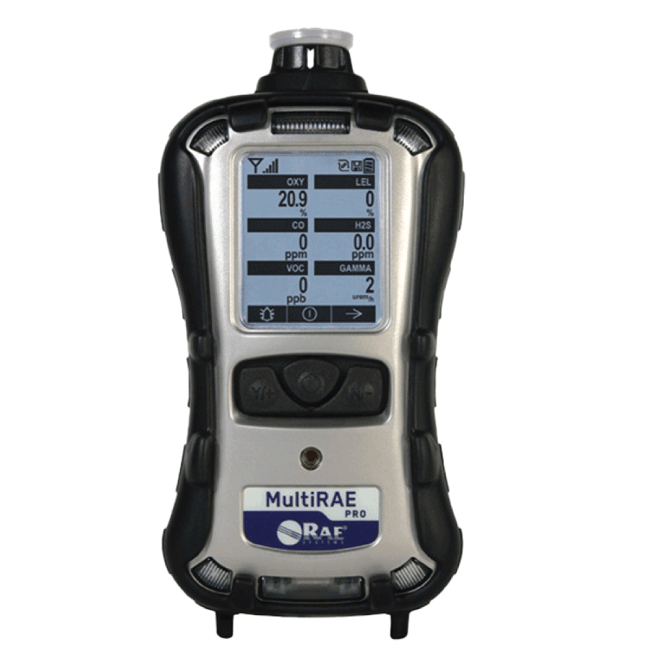
Honeywell MultiRAE Pro – Wireless Multi-Threat Gas Detector with Gamma Radiation Sensor
The Honeywell MultiRAE Pro is a wireless multi-threat gas detector that adds a gamma radiation sensor to its VOC and toxic gas detection.
$0.00
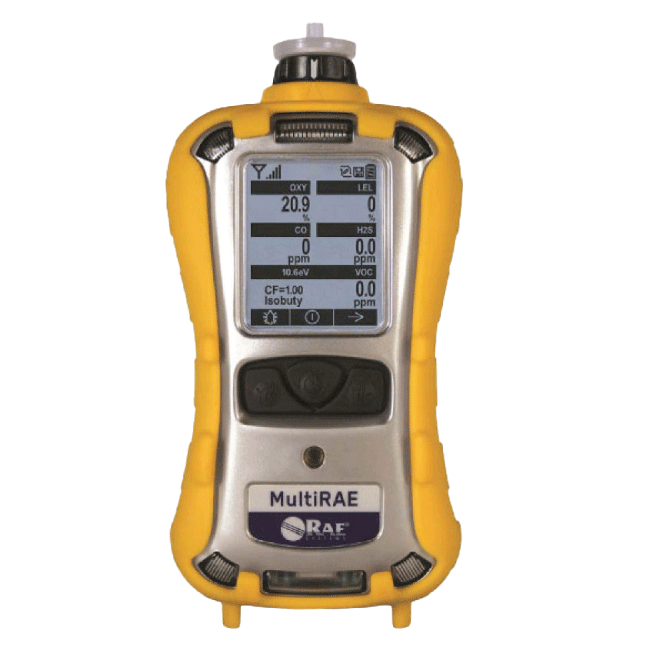
Honeywell MultiRAE – Wireless Six-Gas Monitor with PID, NDIR & Custom Sensor Options
The Honeywell MultiRAE is a wireless six-gas monitor offering 25+ sensor options including PID and NDIR detection for VOCs, toxics, and combustibles.
$0.00

Honeywell QRAE 3 – Wireless 4-Gas Monitor for Industrial and Emergency Response
The Honeywell QRAE 3 is a 1-4 gas monitor with optional wireless covering O2, H2S, CO, SO2, HCN and more, with IP65-rated durability.
$0.00
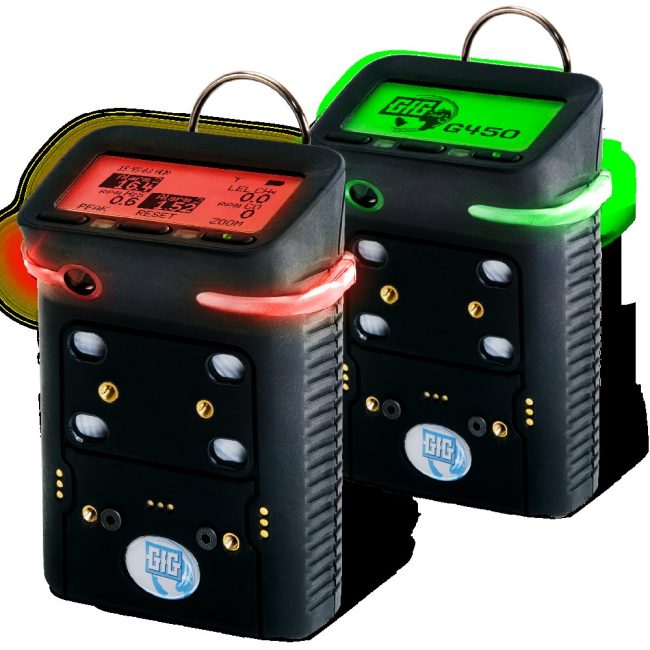
Microtector II G450
The GfG Microtector II G450 is a rugged four-gas confined-space detector for personal protection in hazardous industrial environments.
$0.00
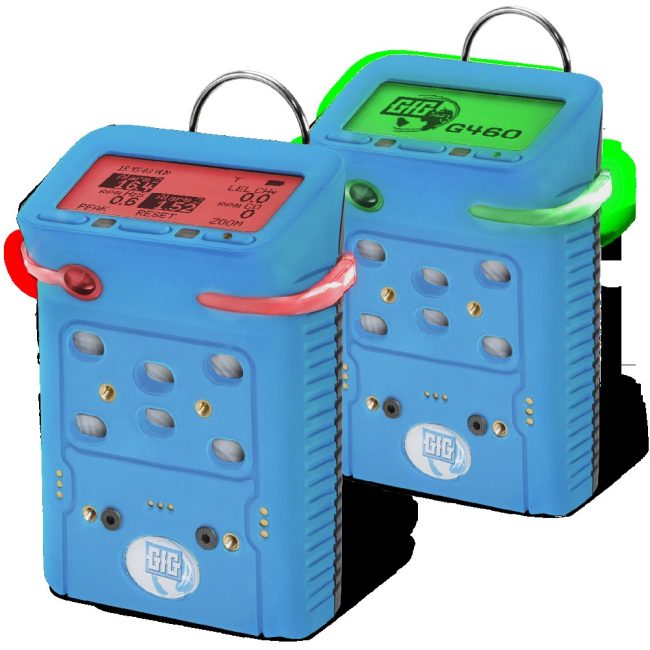
Microtector II G460
The Microtector II G460 is a multi-gas detector for steel, refinery, sewer, and fire department personnel monitoring up to seven gases in hazardous areas.
$0.00
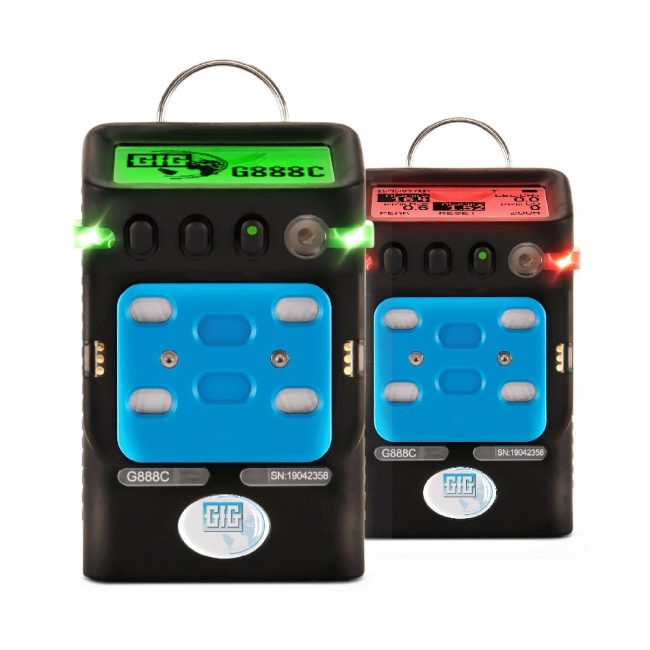
Microtector III G888
Next-generation multi-gas portable (up to 8 sensors) — successor in the Microtector line
$0.00
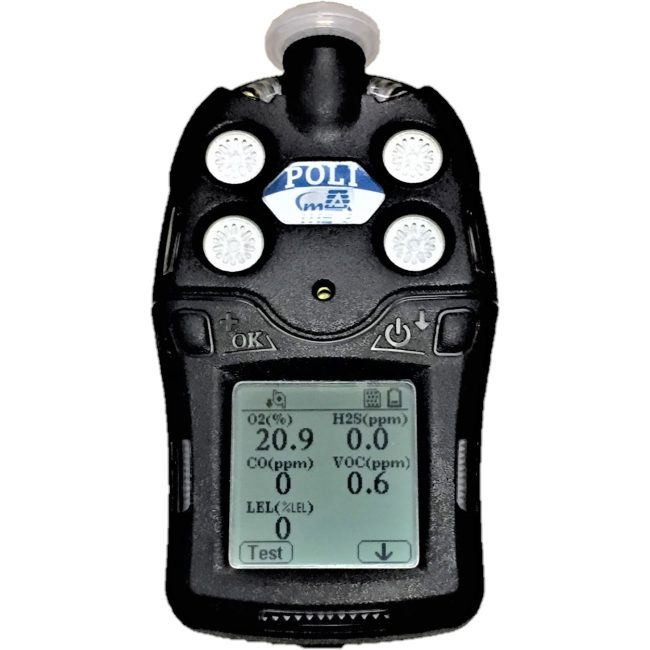
POLI (MP400)
The POLI MP400 is a 4-gas detector with diffusion sampling designed for worker safety during confined-space entry and hazardous location work.
$0.00
Choosing a multi-gas monitor
Four gases or more
A standard 4-gas monitor reads oxygen, combustibles (%LEL), carbon monoxide and hydrogen sulfide. That set covers most confined-space entries, and it is what the GasAlert Quattro, Honeywell MicroRAE, mPower POLI MP400 and BW Icon are built around. Add sensors when your hazards go further. The RKI GX-3R Pro and BW Ultra carry five gases. The QRAE 3 adds options such as SO2 and HCN. The MultiRAE offers 25+ sensor options, including PID and NDIR, and the GfG Microtector III G888 takes up to eight sensors. The Honeywell Flex 5 Series uses field-replaceable cartridges, so one base unit can run as a 4-, 5- or 6-gas detector. For lithium-ion battery incidents, the mPower POLI EV targets hydrogen and hydrogen fluoride. Our MultiRAE vs MultiRAE Lite vs MultiRAE Pro page compares the three RAE models side by side.
Diffusion or pumped
A diffusion monitor samples the air around the wearer, which suits all-shift personal monitoring. Testing a tank, manhole or vault before entry calls for a pump that pulls a sample through tubing while everyone stays outside. The GasAlert Max XT II and POLI MP400P have built-in pumps, the Dräger X-am 3500 samples remotely up to 147 feet, and the X-am 8000 runs in either pump or diffusion mode.
Connected or maintenance-free
Wireless models such as the MultiRAE, MicroRAE and QRAE 3 send readings and alarms to a safety officer or command post. Bluetooth units like the BW Flex and GX-3R Pro share data through a phone. At the simple end, the BW Clip4 and BW Icon run a fixed two-year life with no sensor or battery changes, which fits crews that prefer a wear-and-replace program.
What ownership involves
Plan for two routines. A bump test confirms the sensors and alarms respond. Calibration adjusts readings against certified gas. Keep calibration gas and regulators that match your sensor set. Our Repair Depot calibrates and repairs multi-gas monitors with a 48–72 hour typical turnaround, and as a Honeywell Authorized Service Provider we perform warranty service on BW and RAE Systems monitors. Agencies can buy through BuyBoard or PCA without a separate bid.
Frequently asked questions
What gases does a 4-gas monitor detect?
A 4-gas monitor measures oxygen (O2), combustible gases as a percentage of the lower explosive limit (%LEL), carbon monoxide (CO) and hydrogen sulfide (H2S). Together they cover the most common confined-space hazards: oxygen deficiency or enrichment, flammable atmospheres and the two toxic gases most often found in tanks, sewers and vaults. The Honeywell GasAlert Quattro and Honeywell MicroRAE are examples built around this sensor set.
What is the difference between a 4-gas monitor and a multi-gas monitor?
A 4-gas monitor is one kind of multi-gas monitor, set up for O2, LEL, CO and H2S. Multi-gas also includes 5- and 6-gas instruments that add a photoionization detector for VOCs, or sensors for CO2, SO2, HCN and other toxic gases. Configurable models such as the Honeywell MultiRAE and Dräger X-am 8000 can be fitted for the specific hazards a site or hazmat team expects to meet.
What is a bump test on a gas detector?
A bump test briefly exposes a gas detector to a known concentration of test gas to confirm that each sensor responds and every alarm activates. It does not change the readings; calibration does that. Common practice is to bump test before each day's use. A monitor that fails a bump test should be calibrated or sent for service before anyone relies on it for entry or personal protection.
How often should a multi-gas monitor be calibrated?
Calibrate on the interval in the manufacturer's manual and your safety program, and again whenever the monitor fails a bump test, takes a hard impact or sees a high gas exposure. Each calibration should be documented. FarrWest's Repair Depot issues calibration certificates tied to the instrument's serial number, and its Service Program can handle calibration on-site on a cycle between 30 and 180 days.
What is the best multi-gas detector for confined space entry?
The right detector depends on how the space is tested and worked. Pre-entry testing needs a pump so you can sample before anyone goes in, as on the Honeywell GasAlert Max XT II, mPower POLI MP400P or Dräger X-am 3500. Continuous monitoring inside calls for a wearable 4-gas diffusion unit such as the GasAlert MicroClip X3 or RKI GX-3R. Add a PID or extra toxic sensors if the space held fuels, solvents or process chemicals.
How much does a 4-gas monitor cost?
Price depends on sensor count, pumped versus diffusion sampling, wireless features and whether the unit is a fixed-life disposable or a serviceable instrument. Lifetime cost also includes replacement sensors, calibration gas and service. On FarrWest.com some compact 4-gas models can be ordered online at a listed price, while configured and wireless instruments are quoted through the quote request form.