

Gas Detection
Every gas detection instrument FarrWest carries starts here: personal multi-gas and single-gas monitors, photoionization detectors for VOCs, area and perimeter monitors, fixed sensors and controllers, handheld remote methane lasers, and the calibration gas, regulators and replacement parts that keep it all reading true. Makers include Honeywell (BW and RAE Systems), Dräger, mPower, GfG, RKI, Sensit and Portagas.
Fire and hazmat teams, utilities and industrial safety departments buy here, and our San Antonio Repair Depot services what we sell. FarrWest is a Honeywell Authorized Service Provider for BW and RAE Systems gas detection.
Browse Gas Detection
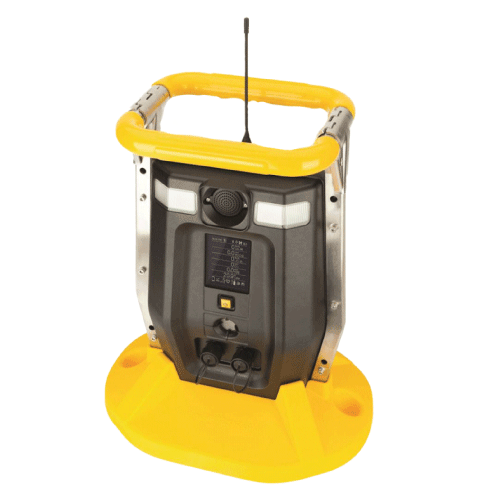


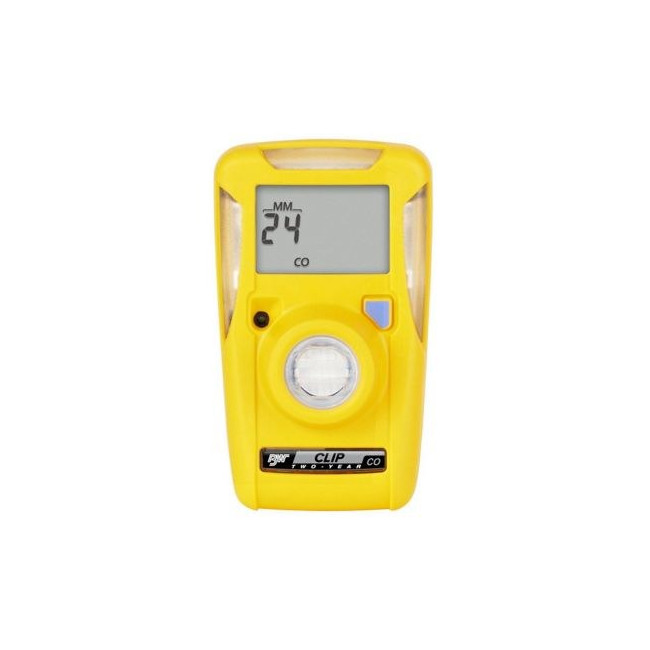
Tax-exempt
Tax-exempt agency or organization?Set up a tax-exempt FarrWest account and skip sales tax at checkout. One certificate, every order.
Apply for tax-exempt status →Featured Gas Detection equipment
 Honeywell QRAE 3 Portable 4-Gas Monitor
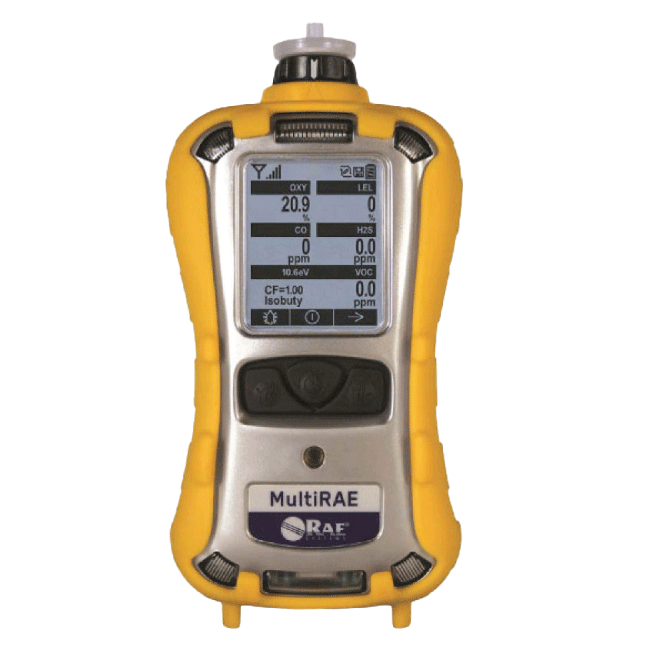 Honeywell MultiRAE 6-Gas Monitor with PID
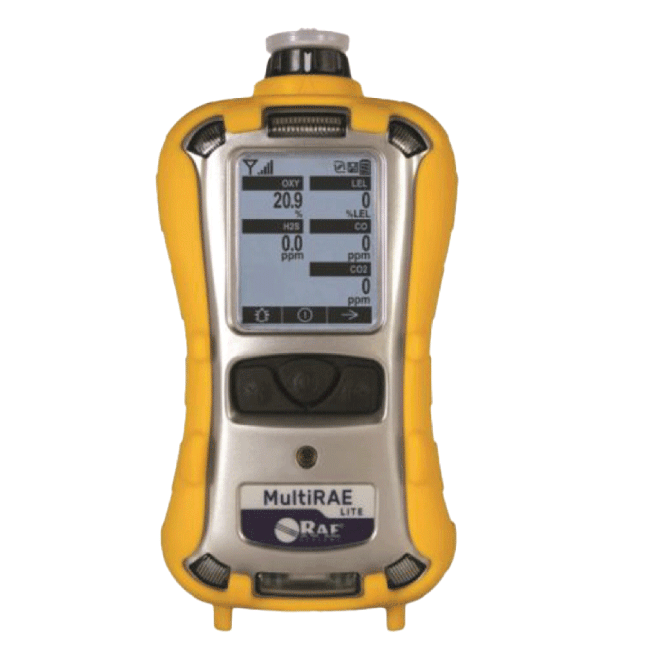 Honeywell MultiRAE Lite Multi-Gas Monitor
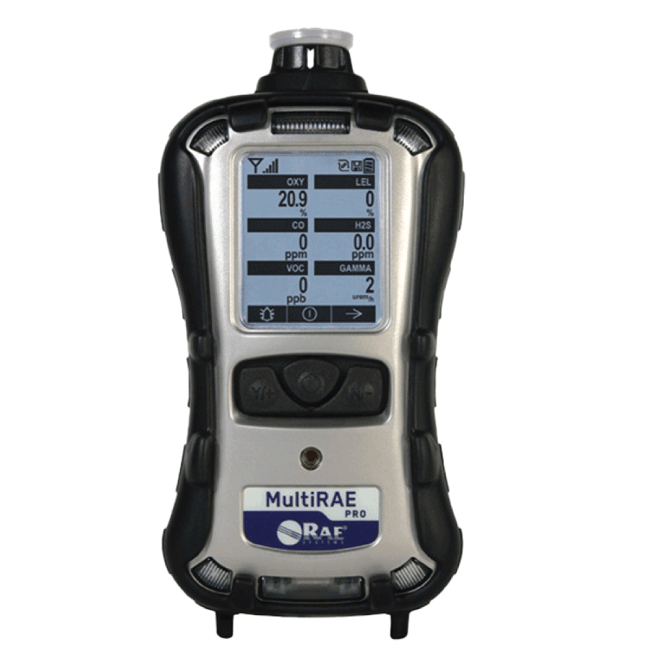 Honeywell MultiRAE Pro Multi-Threat Gas Monitor
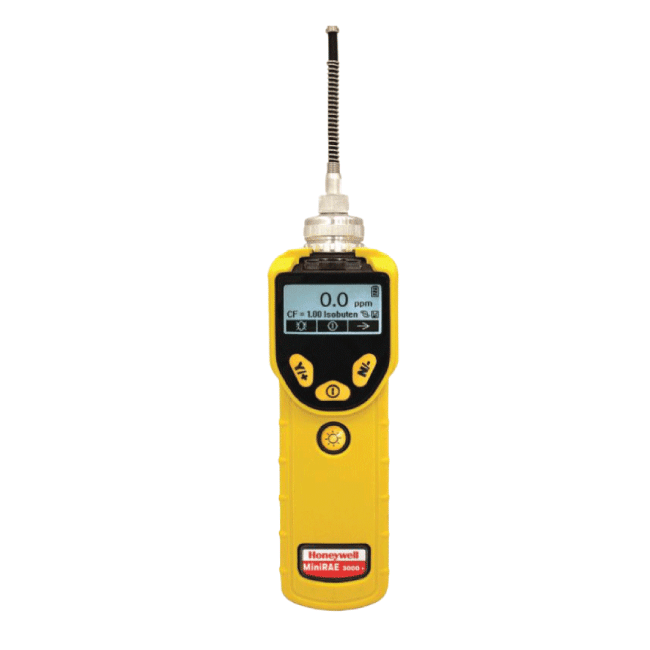 Honeywell MiniRAE 3000+ Handheld PID VOC Monitor
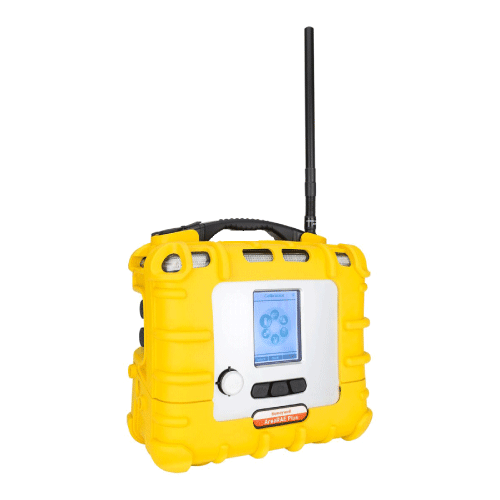 Honeywell AreaRAE Plus Wireless Area Gas Monitor
 Honeywell AreaRAE Pro Multi-Threat Area Monitor
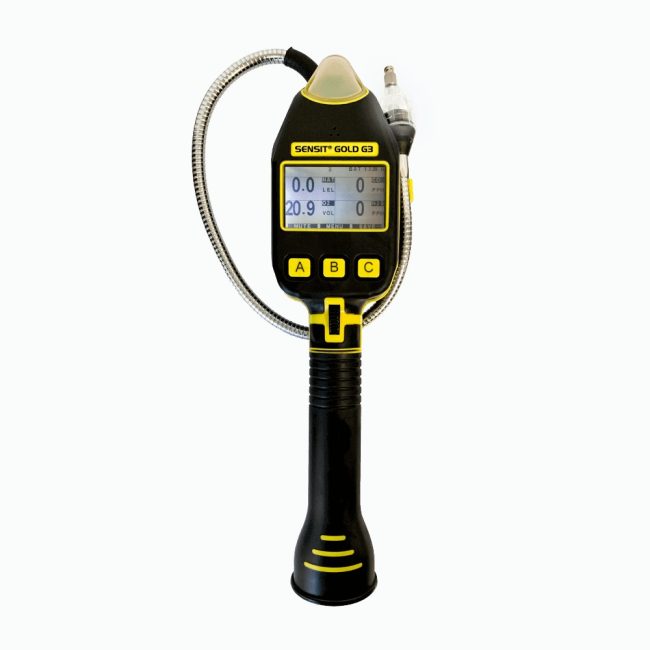 Sensit Gold G3 Portable Gas Leak Detector
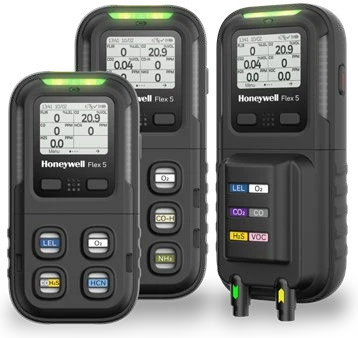 Honeywell Flex 5 Modular Multi-Gas Detector
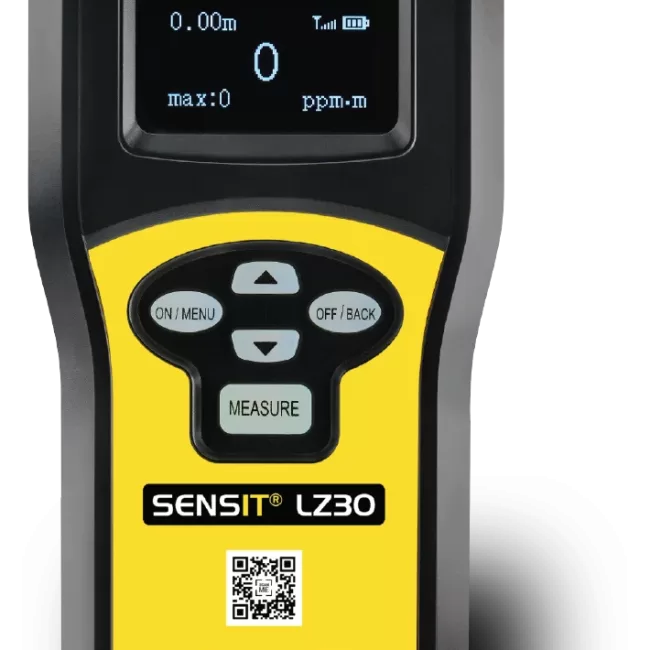 Sensit LZ30 Remote Methane Laser Detector
 mPower MP050 LASD Remote Methane Laser Detector
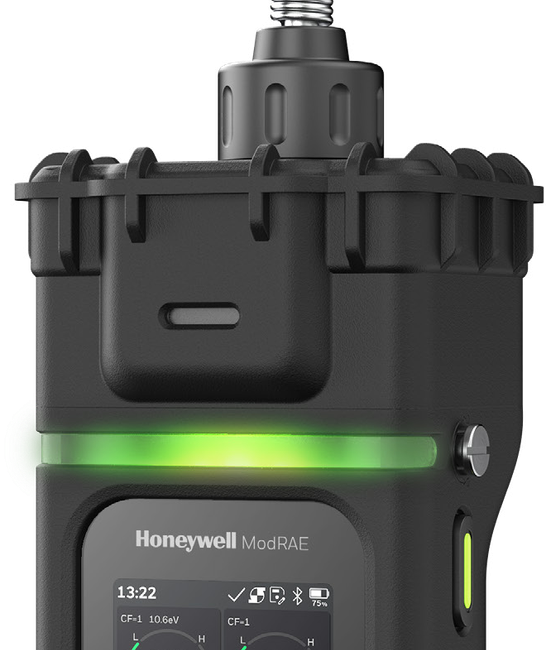 Honeywell ModRAE Modular PID Gas Detector
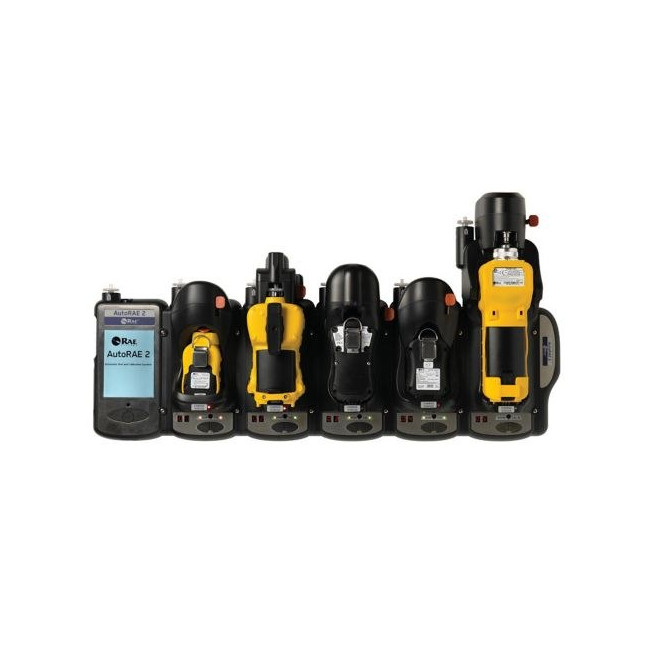
AutoRAE 2 controller
The Honeywell AutoRAE 2 is an automatic bump test and calibration controller for RAE Systems gas monitors that manages up to 10 cradles and supports five calibration gases.
Part # T02-0303-000
$375.16
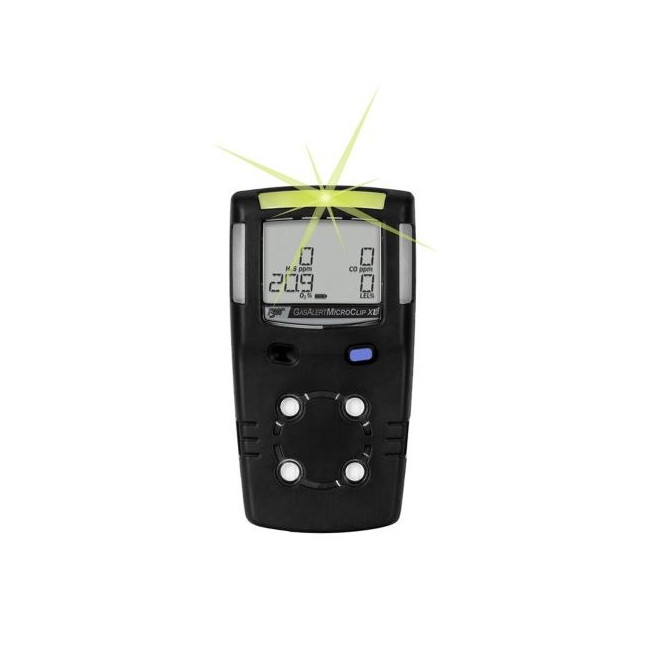
BW MicroClip XL
Compact 4-gas detector, low up-front cost, 18-hr runtime, cold-weather guarantee
Price range: $635.06 through $972.93

Calibration cup / cap
Sensit Technologies calibration cap assembly for HXG-2d and HXG-3 gas detectors includes connector, cupule, and tubing for carbon monoxide and methane testing.
Part # 880-00028
$86.20

CO electrochemical sensor (± H2 comp.)
Replacement carbon-monoxide sensor, standard and H2-compensated versions
Part # ES-1821
$150.00
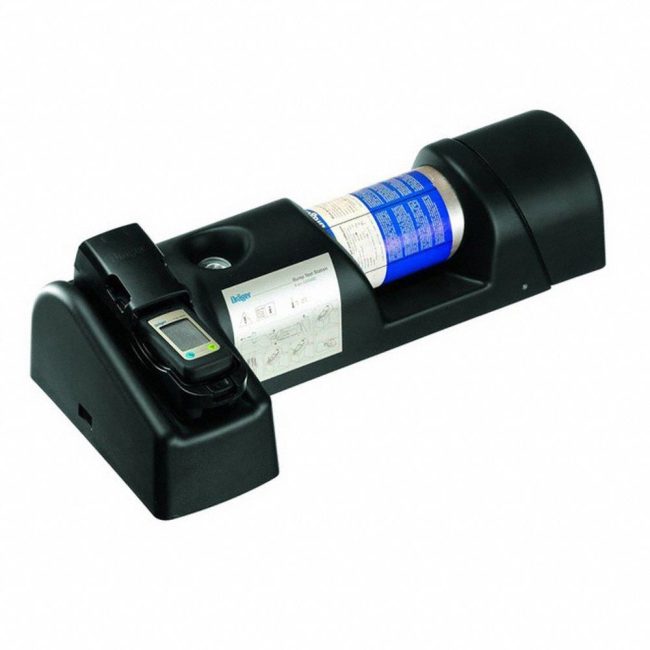
Dräger Bump Test Station
Dräger Bump Test Station is a portable, battery-free device for quick functional testing of gas detection instruments in the field.
Part # 8317410
$1,206.00
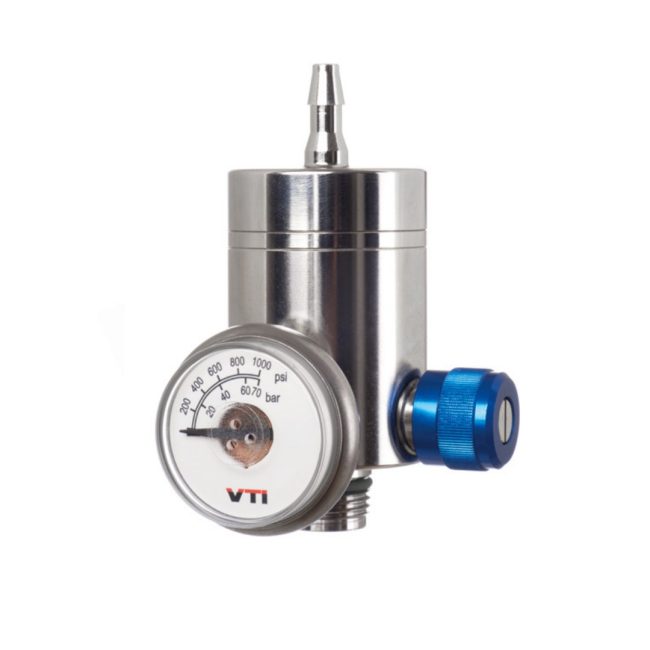
Dräger calibration gas regulator
Pressure-reducing/demand regulator for Dräger test-gas cylinders
Part # 4557020
$314.00
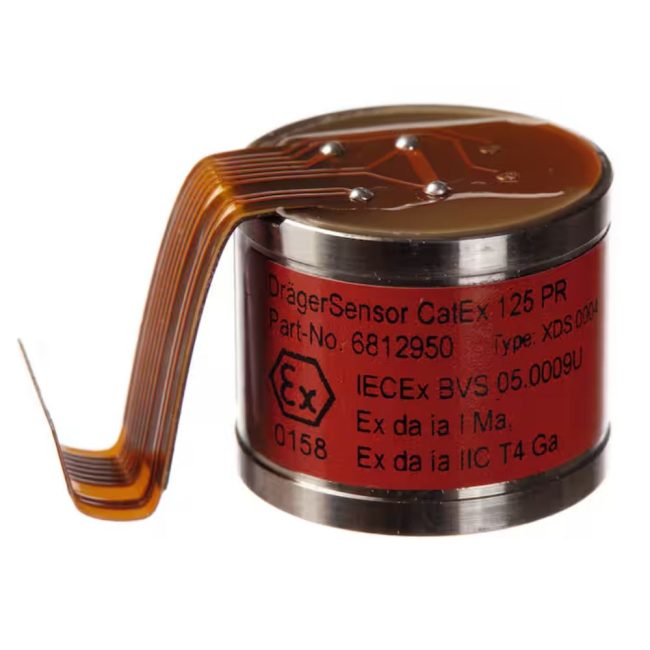
DrägerSensor CatEx (combustible/LEL)
Catalytic-bead combustible-gas sensor (incl. CatEx SR shock-resistant)
Part # 6812950
$370.00

DrägerSensor IR (Ex / CO2)
The DrägerSensor IR is an infrared combustible gas and CO2 sensor for fixed detection systems in hazardous areas worldwide.
$1,340.00

DrägerSensor XXS Cl2
DrägerSensor XXS Cl2 is a replaceable electrochemical chlorine sensor for monitoring hazardous gases in food, chemical, pulp and paper, power generation, and water treatment facilities.
$655.00

DrägerSensor XXS CO / CO H2-comp
Dräger DrägerSensor XXS CO H2-CP is a replaceable electrochemical sensor for portable gas detectors that measures carbon monoxide while compensating for hydrogen interference in industrial environments.
Part # 6813210
$316.00
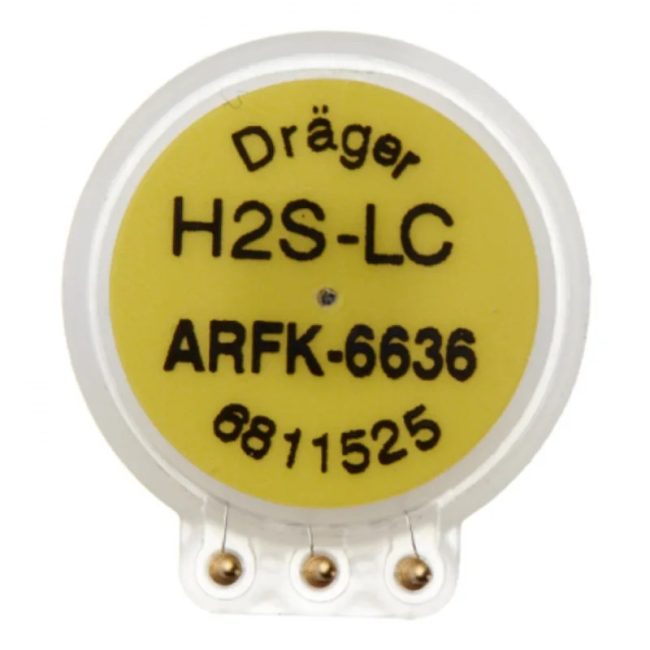
DrägerSensor XXS H2S / H2S LC
The Dräger DrägerSensor XXS H2S / H2S LC is a compact electrochemical sensor for accurate hydrogen sulfide detection in industrial hygiene, confined space monitoring, and emergency response applications.
Part # 6811525
$316.00

DrägerSensor XXS NH3
Dräger DrägerSensor XXS NH3 is a compact electrochemical ammonia sensor for portable gas detectors in the Pac series and X-am family.
$655.00


DrägerSensor XXS O2
Dräger DrägerSensor XXS O2 is a miniature electrochemical oxygen sensor for portable gas detection devices in the X-am and Pac series.
Price range: $316.00 through $825.00


Eagle 2 / GX-6000 Li-ion & alkaline power packs
Rechargeable Li-ion pack and alkaline holder for Eagle 2 and GX-6000
Price range: $174.00 through $264.00
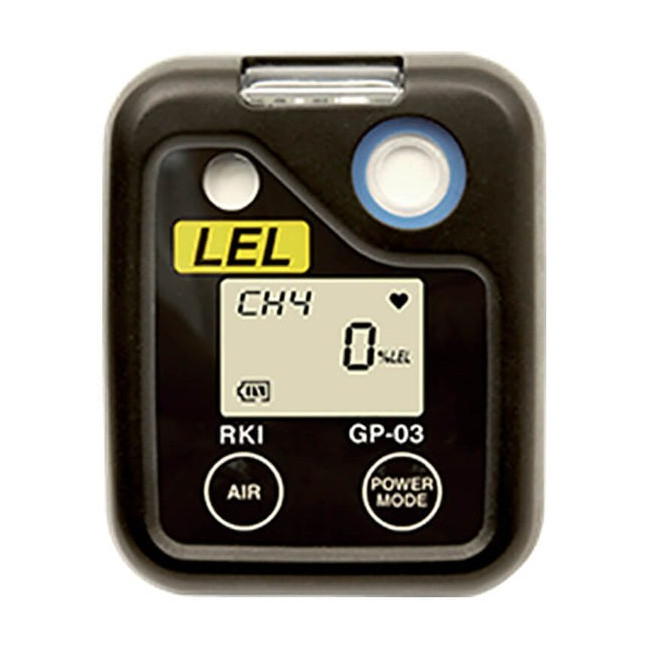
GP-03
The RKI Instruments GP-03 is a pocket-sized single-gas monitor designed to protect workers from combustible hydrocarbon exposure in hazardous atmospheres.
Price range: $334.00 through $650.00
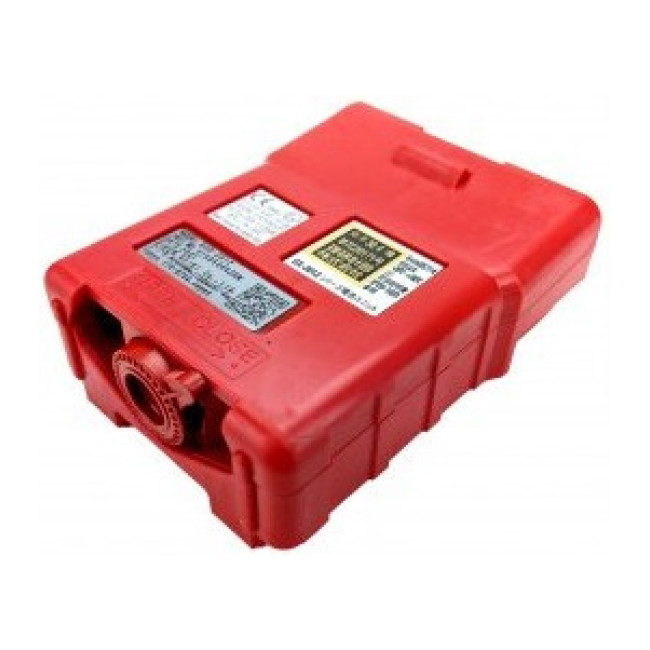
GX-2012 Li-ion pack / alkaline battery holder
Rechargeable Li-ion pack and swappable alkaline (AA) holder for GX-2012
Part # 49-1615RK
$195.00

GX-3R
The RKI Instruments GX-3R is the world's smallest 4-gas confined-space monitor for workers in refineries, utilities, oil and gas, and emergency services.
Price range: $160.00 through $255.00
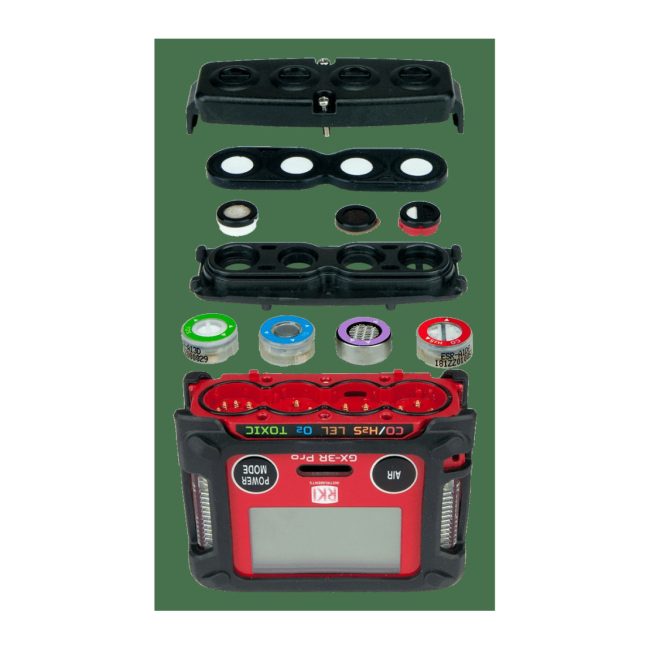
GX-3R / GX-3R Pro Li-ion battery pack
Rechargeable Li-ion pack for the GX-3R family
Price range: $132.00 through $274.00
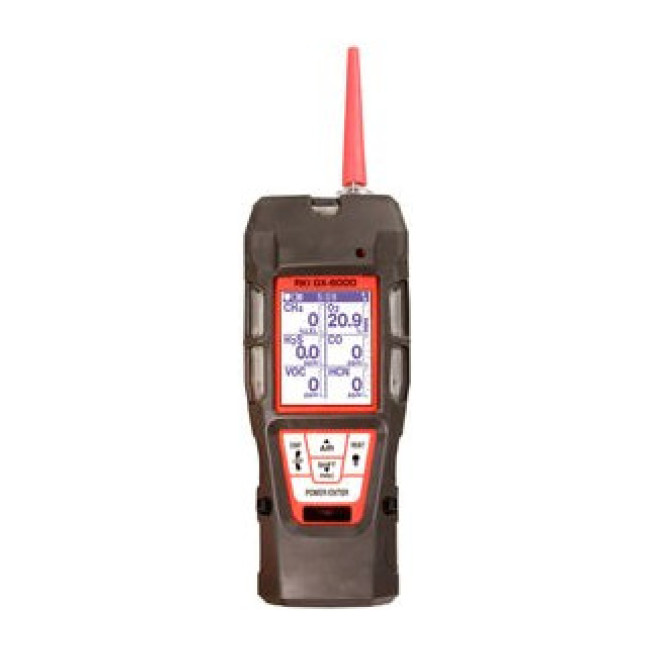
GX-6000 particle + hydrophobic filter set
Inline particle filter and hydrophobic (water-stop) filter for the pumped flow system
Part # 33-7125
$51.00
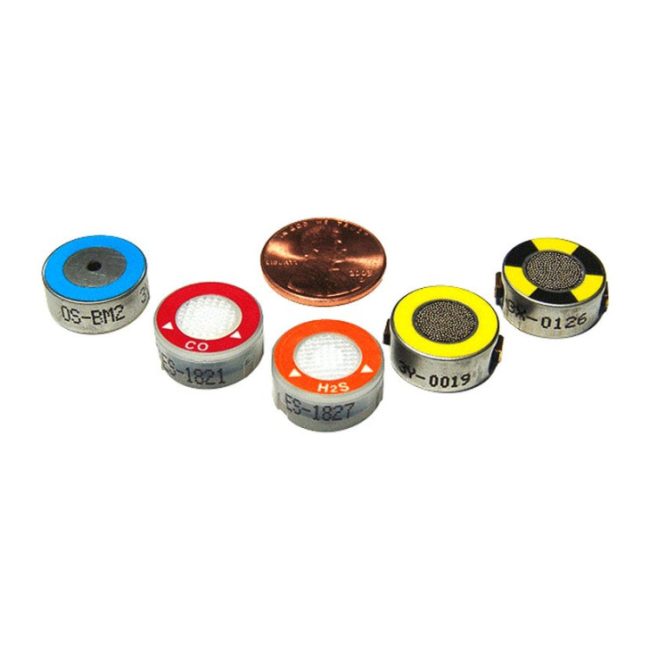
H2S electrochemical sensor
RKI Instruments H2S electrochemical sensor for continuous hydrogen-sulfide monitoring at drilling rigs and related oil and gas operations.
Part # ES-1827I
$150.00
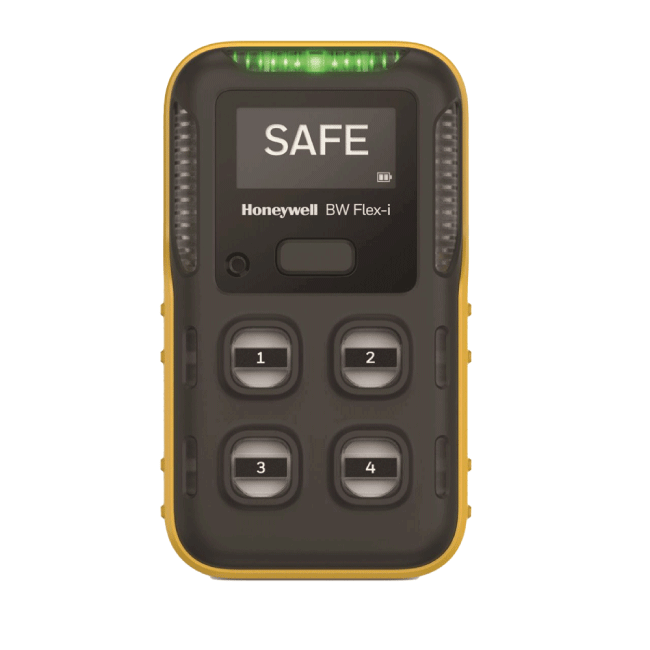
Honeywell BW Flex – Multi-Gas Detector with Bluetooth and i-Series Sensor Technology
The Honeywell BW Flex is a multi-gas detector that identifies up to 4 gas hazards using i-Series sensor technology with Bluetooth connectivity for quick reporting.
Price range: $902.87 through $1,140.17
Building a gas detection program
Start with the hazard, then pick the format
Personal monitors protect the person wearing them. A single-gas monitor fits a known, single hazard such as H2S or CO. A multi-gas monitor such as the Honeywell Flex 5 Series, which runs as a 4-, 5- or 6-gas unit on swappable cartridges, covers confined-space entry and general response. Fuels, solvents and industrial chemicals call for a photoionization detector. To protect a whole scene or fence line, add area monitors; for a permanent point in a plant, use fixed systems.
Finding methane from a distance
Remote methane laser detectors use tunable diode laser absorption spectroscopy (TDLAS) to measure methane along a beam, so the operator never walks into the plume. The mPower LASD CH4 (MP050) reads along a line up to 50 m away and responds in 0.05 seconds. The Sensit LZ30 measures from 1.5 to 100 feet, responds to methane only and weighs 0.7 lb. Both suit gas-leak calls, utility work and building surveys.
Calibration gas and regulators
Match calibration gas to the sensors in your instruments. A typical 4-gas mix carries H2S, CO, methane at 50% LEL and oxygen in a nitrogen balance; PIDs calibrate on isobutylene, and specialty sensors need their own gas, such as hydrogen, ethylene oxide or refrigerants. Portagas calibration gases in this catalog are NIST-traceable. Pumped instruments and docking stations that draw their own sample use a demand-flow regulator; preset fixed-flow regulators deliver a steady 0.5 or 1.0 LPM. Check that the regulator fits the cylinder valve, for example C-10 or C-22. Browse calibration equipment and replacement parts.
Service, training and purchasing
Our Repair Depot uses OEM-certified technicians, with a 48–72 hour typical turnaround and a 24/7/365 technical support line. The Service Program brings calibration and maintenance on-site on a 30- to 180-day cycle under one annual PO. Operators can train through the FarrWest Hazmat Academy (training), and agencies can buy through BuyBoard or PCA.
Frequently asked questions
What does %LEL mean on a gas detector?
LEL is the lower explosive limit, the lowest concentration of a gas in air that can ignite. A detector shows combustibles as a percentage of that limit. Methane's LEL is 5% by volume, so 50% LEL is 2.5% methane and 2% LEL is 0.1% methane. OSHA's permit-required confined space rule treats an atmosphere above 10% of the LEL as hazardous.
Who can calibrate a gas monitor?
A trained user with the correct calibration gas, regulator and the manufacturer's procedure can calibrate many portable monitors, often with a docking station. Many agencies send instruments to a service center instead so the work is documented. FarrWest's Repair Depot uses OEM-certified technicians and stores each calibration certificate against the instrument's serial number, and its Service Program can calibrate on-site.
What calibration gas do I need for my gas detector?
Use a gas that matches each sensor in the instrument at the concentrations the manufacturer specifies. Standard 4-gas monitors usually take a quad mix of H2S, CO, methane at 50% LEL and oxygen in nitrogen. PIDs use isobutylene, and sensors for hydrogen, ethylene oxide, CO2 or refrigerants need their own gases. Pumped instruments and docking stations require a demand-flow regulator.
What is the difference between fixed and portable gas detection?
Portable detectors go where the people go: clipped to a worker, carried into a confined space or set up around an incident. Fixed detectors are installed at a permanent point, such as a compressor room, process unit or loading area, and report to a controller around the clock. Many facilities run both, with fixed sensors on known sources and portables for entry and response.
How does a remote methane laser detector work?
A remote methane laser detector aims an infrared laser beam at a target and measures how much of the light methane absorbs along the path, a technique called tunable diode laser absorption spectroscopy (TDLAS). The operator can check pipes, meters and ceilings from a distance without entering the gas. The mPower LASD CH4 reaches up to 50 m and the Sensit LZ30 up to 100 feet.