

Radiation Detection
From a pager-sized alarm on a responder's belt to a portal that screens workers leaving a nuclear facility, radiation instruments do very different jobs. Here you will find personal radiation detectors and electronic dosimeters from Polimaster, Thermo Scientific and Mirion, RadEye survey and contamination meters, handheld isotope identifiers such as the RIIDEye and Symetrica VeriFinder Responder, PoliPack backpacks, fixed monitors, and Spectrum Techniques check sources.
Hazmat teams, law enforcement, health physics staff and security programs rely on them. FarrWest's Service Program includes radiation detection, with annual certified calibration and express loaners when required.
Tax-exempt
Tax-exempt agency or organization?Set up a tax-exempt FarrWest account and skip sales tax at checkout. One certificate, every order.
Apply for tax-exempt status →Featured Radiation Detection equipment
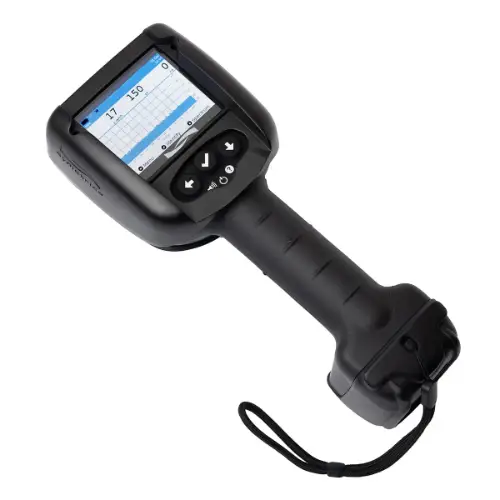 VeriFinder S100 Compact Handheld RIID
 VeriFinder S200 Handheld RIID
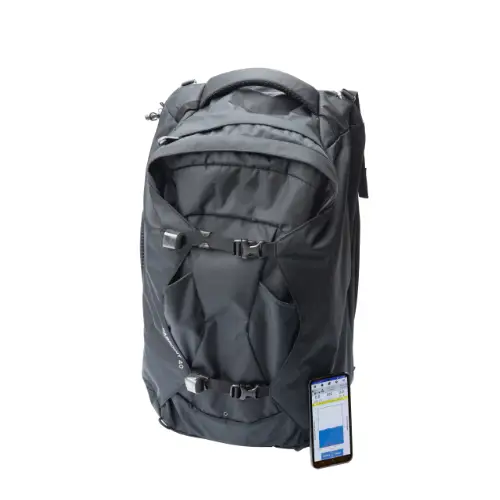 VeriFinder S300 Radiation Backpack
 Mirion AccuRad PRD Personal Radiation Detector
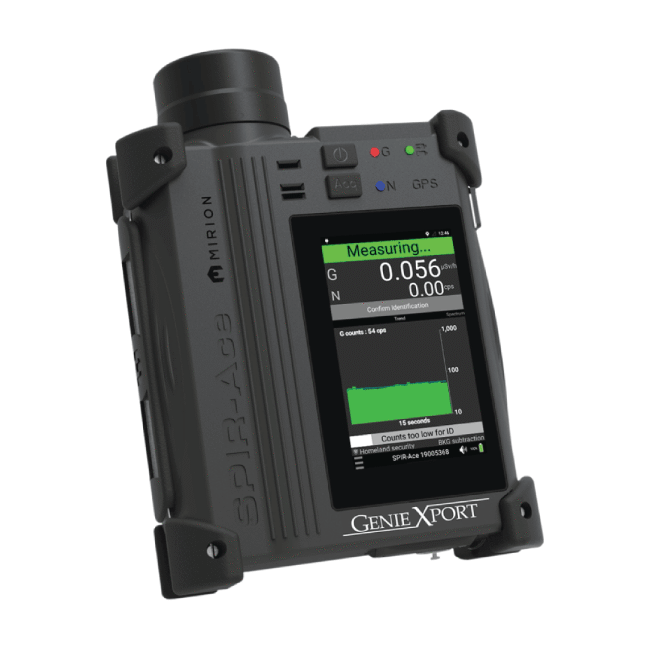 Mirion SPIR-Ace Portable RIID Isotope Identifier
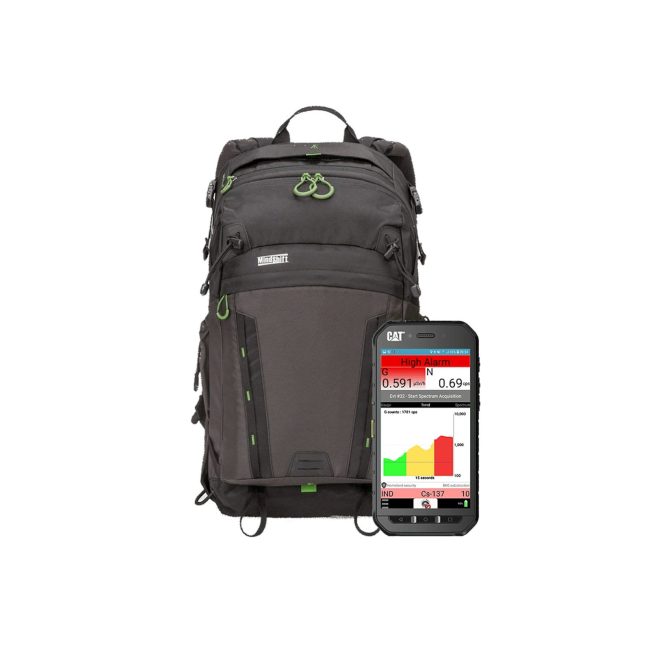 Mirion SPIR-Pack Backpack Radiation Detector
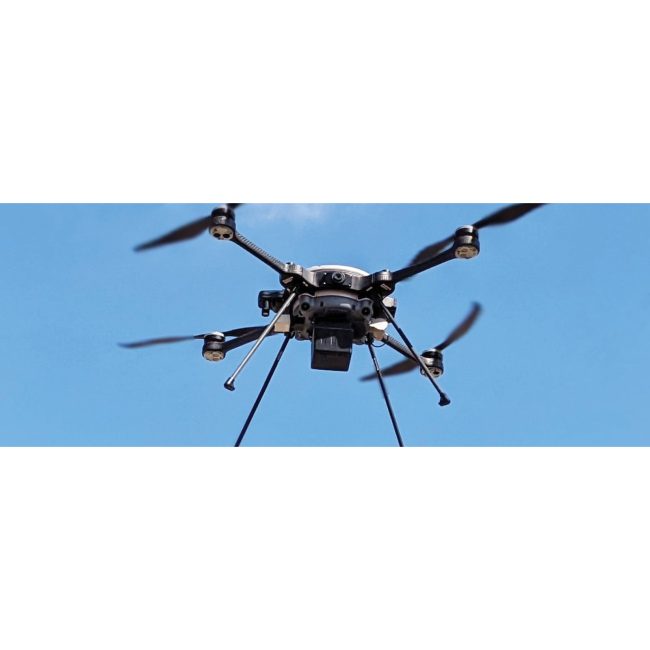 FLIR MUVE R430 Drone Radiation Detector Payload
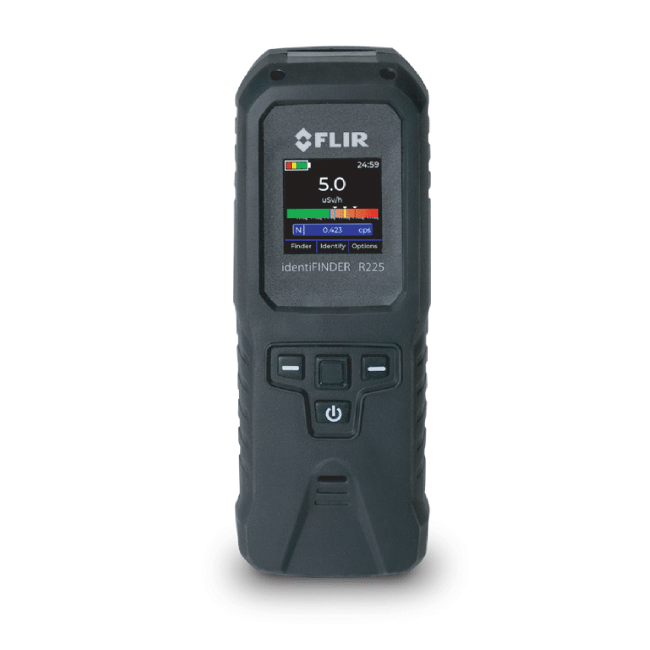 FLIR identiFINDER R225 Personal Radiation Detector
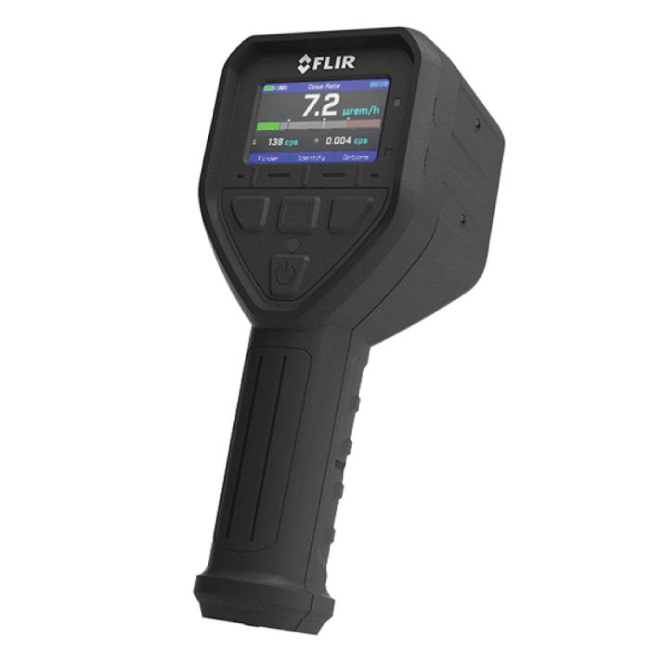 FLIR identiFINDER R425 Radionuclide ID Device
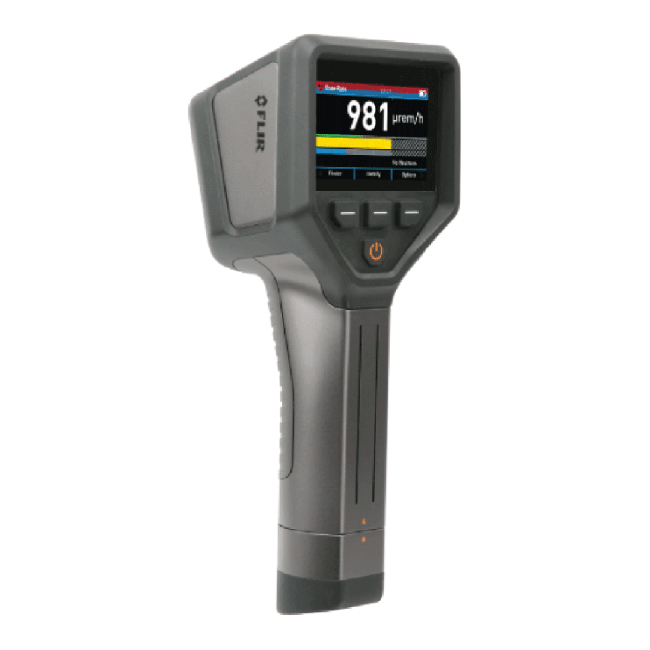 FLIR identiFINDER R440 Sourceless Handheld RID
 FLIR identiFINDER R700 Backpack Radiation Detector
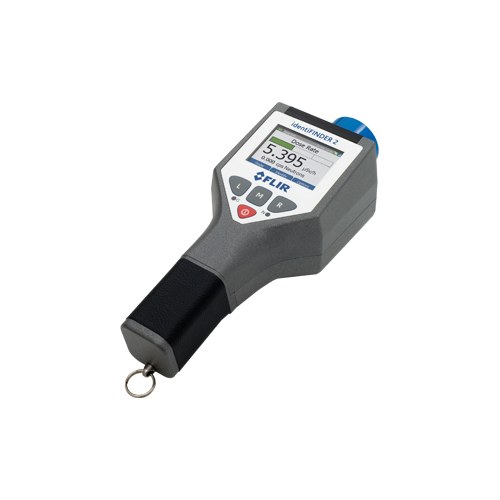 FLIR identiFINDER R400 Handheld Radiation Detector

Alpha/Beta Needle Sources
SPECTRUM TECHNIQUES Alpha/Beta Needle Sources are radioactive isotope sources designed for cloud chamber experiments to visualize charged particle tracks.
$40.00
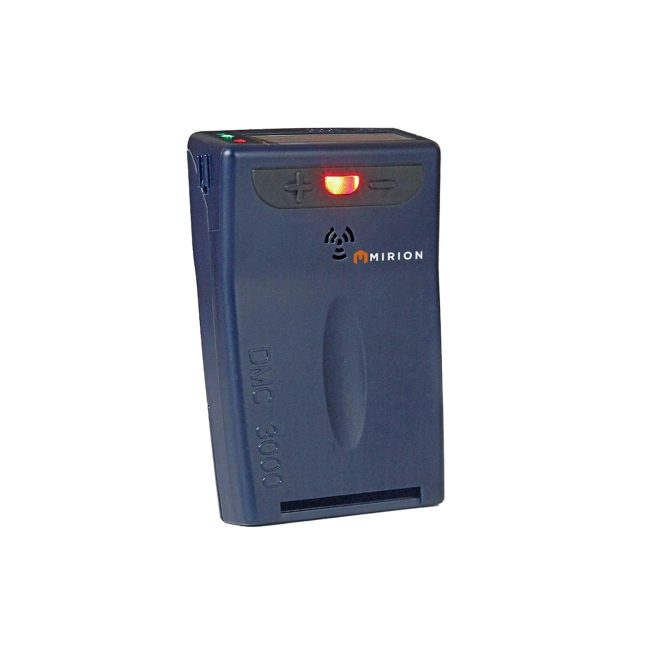
DMC 3000 Electronic Dosimeter
The DMC 3000 Electronic Dosimeter is a personal radiation dosimeter for health physics and radiation protection personnel that detects X-ray and Gamma radiation with audible, visual, and tactile alarms.
Price range: $666.00 through $782.00

Alpha/Beta/Gamma Laminate Disk Sources w/ Al/Mylar Window
Spectrum Techniques Alpha/Beta/Gamma Laminate Disk Sources with Al/Mylar Window are reference sources for laboratory, radiation protection, training, and security applications.
Price range: $75.00 through $540.00
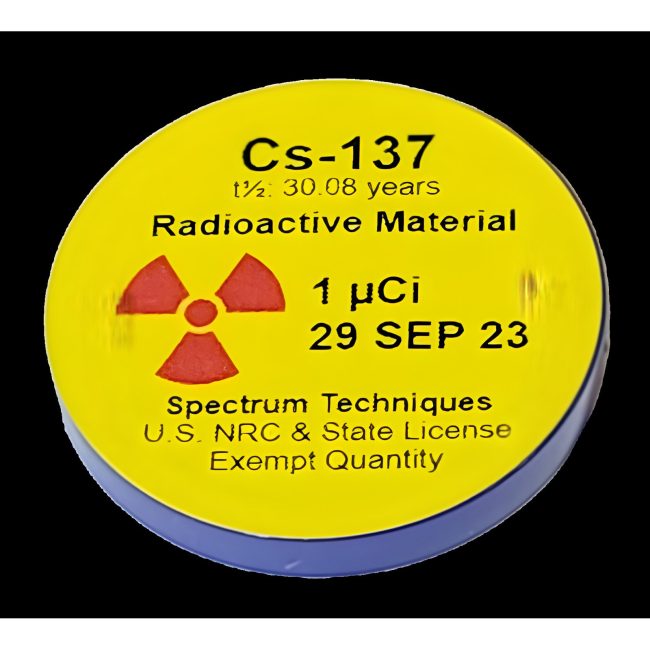
Beta/Gamma Disk Sources
Exempt-quantity laminated disk sources for functional checks & periodic verification of survey/ID instruments
Price range: $65.00 through $530.00
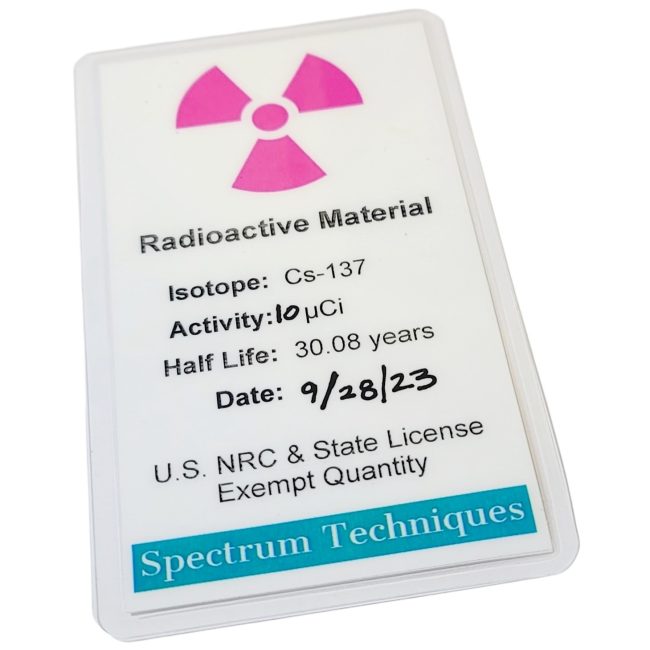
Beta/Gamma Laminate Credit Card Sources
SPECTRUM TECHNIQUES Beta/Gamma Laminate Credit Card Sources are portable radiation reference sources designed for laboratory functional checks, radiation protection verification, education, and security device testing.
Price range: $65.00 through $120.00
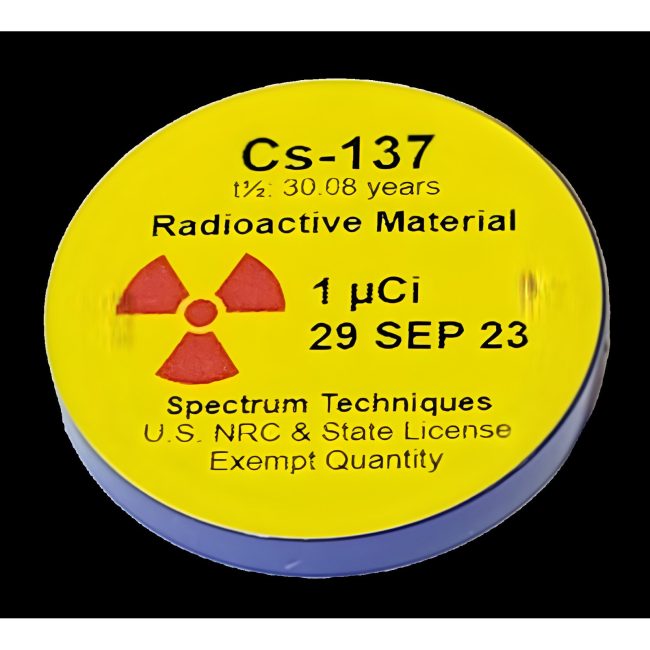
Beta/Gamma Laminate Disk Sources
Spectrum Techniques Beta/Gamma Laminate Disk Sources are heat-sealed reference sources for laboratory, training, security, and radiation protection functional checks.
Price range: $65.00 through $520.00
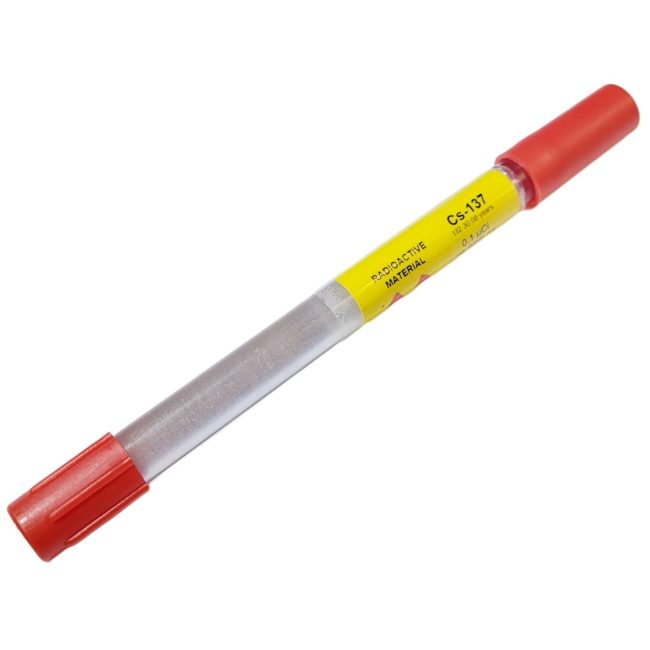
Beta/Gamma Rod Sources
Beta/Gamma Rod Sources are exempt-quantity reference sources for functional checks and verification of radiation detection equipment in laboratories, training, and security applications.
$160.00

Beta/Gamma Test Tube Sources
Spectrum Techniques Beta/Gamma Test Tube Sources are sealed reference sources designed for laboratories, radiation protection programs, educational institutions, and security applications.
$160.00
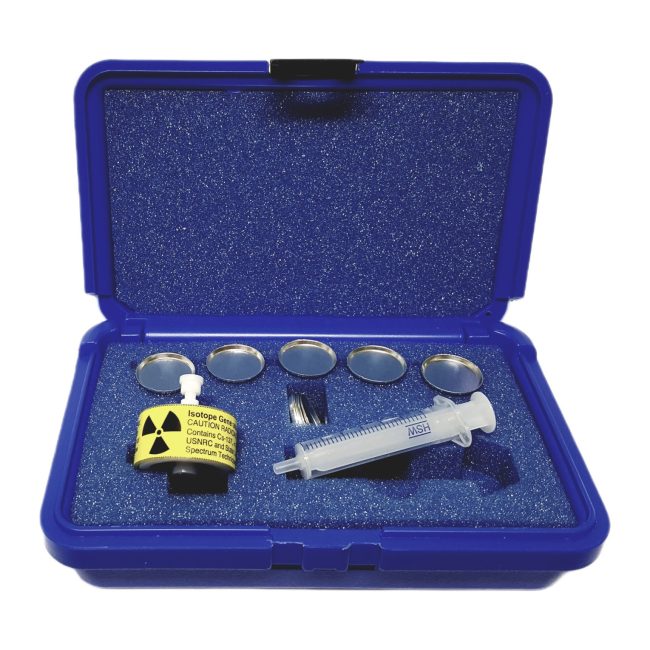
Cs-137/Ba-137m Isotope Generator Kit
The Cs-137/Ba-137m Isotope Generator Kit from Spectrum Techniques is a complete radioactive decay demonstration system for educational and research institutions.
Part # ISO
$310.00

DMC 3000 Beta Module Hp(0.07)
The Mirion Technologies DMC 3000 Beta Module Hp(0.07) is a plug-and-play add-on that provides operational beta dosimetry for hospital personnel, first responders, and nuclear workers.
Part # NOM001230
$800.00

DMC 3000 Neutron Module Hp(10)
The Mirion Technologies DMC 3000 Neutron Module is an add-on dosimeter for military personnel, first responders, and radiation workers requiring operational neutron dosimetry measurement.
Part # NOM001229
$1,286.00

Exempt-Quantity Source Sets (3/5/8)
Packaged multi-isotope source sets in storage boxes for training and lab verification
Price range: $195.00 through $520.00

FHZ 732
Thermo Scientific FHZ 732 is a pancake proportional-counter beta-gamma contamination probe designed for portable radiation monitoring with FH 40 G and FHT detection systems.
Part # 4254036
$1,420.00
Mirion AccuRad PRD – Personal Radiation Detector for First Responders
The Mirion AccuRad PRD is a discreet, rugged personal radiation detector built for first responders needing real-time radiation and dose-rate monitoring.
$1,691.00

PM1703MA-II/BT PRD
The PM1703MA-II/BT is a personal radiation detector for first responders and security personnel that operates reliably in extreme temperatures with NORM suppression.
Price range: $1,374.00 through $1,440.00
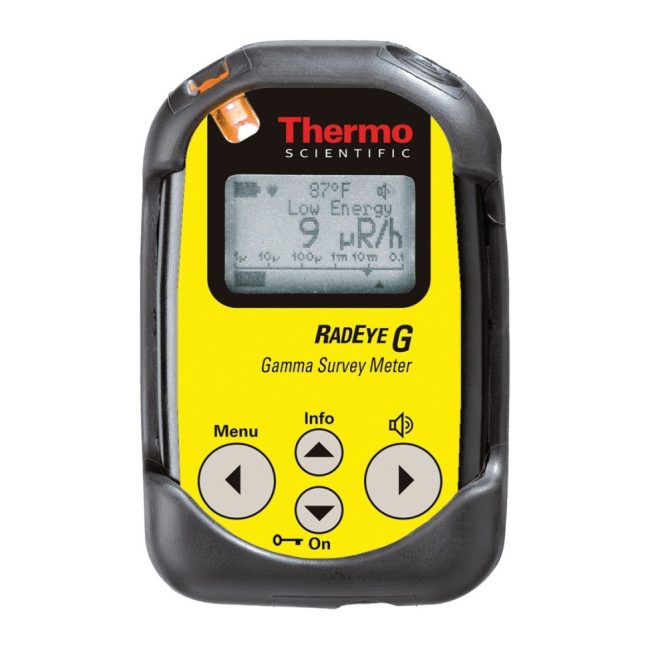
RadEye G / GX Gamma Survey Meter
Compact gamma dose-rate survey instrument for radiation-protection monitoring
Price range: $1,500.00 through $1,840.00

RadEye G Personal Gamma Radiation Detector – Thermo Scientific Geiger Counter
The Thermo Scientific RadEye G is a lightweight, high-sensitivity personal gamma radiation detector for hazmat and radiological response.
Part # 4250674
$1,650.00
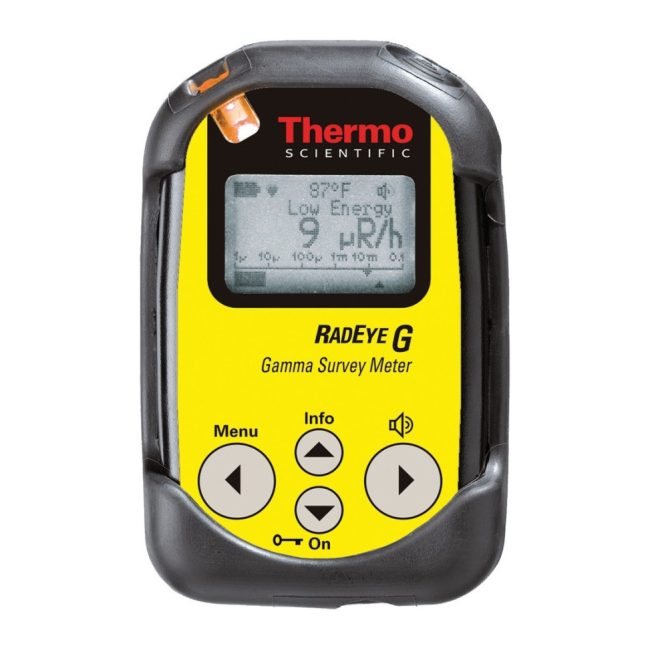
RadEye G-10
Personal dose-rate meter with high-sensitivity energy-compensated GM tube
Price range: $1,500.00 through $1,550.00
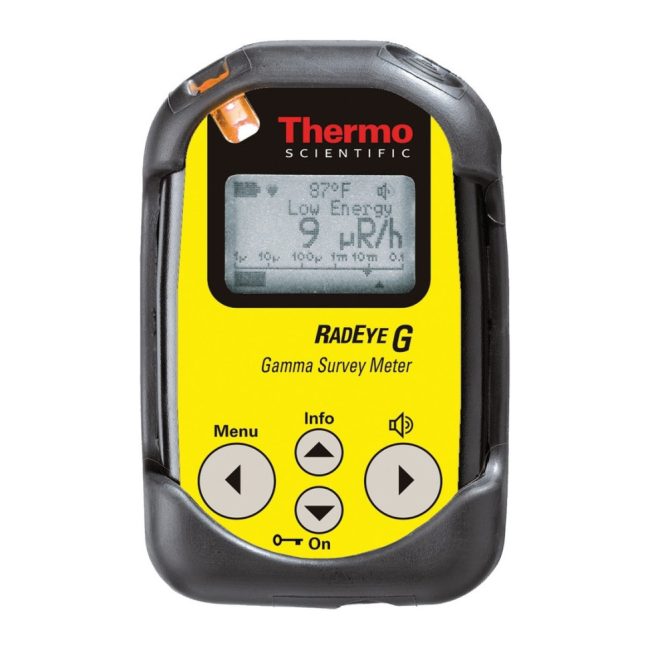
RadEye GF
"Gamma Finder" personal survey meter with high low-energy gamma sensitivity and finder mode
Part # 425067475
$1,670.00
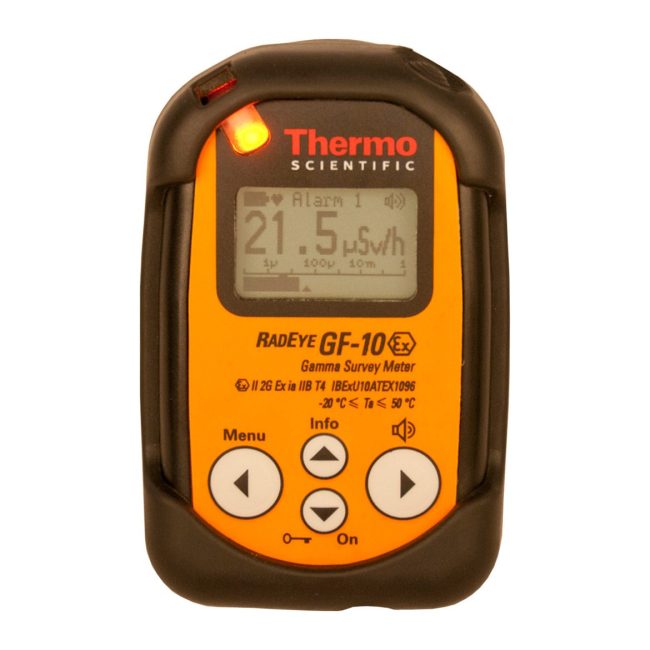
RadEye GF-10
Low-energy gamma survey meter / gamma finder with energy-compensated GM tube
Part # 425067675
$1,660.00
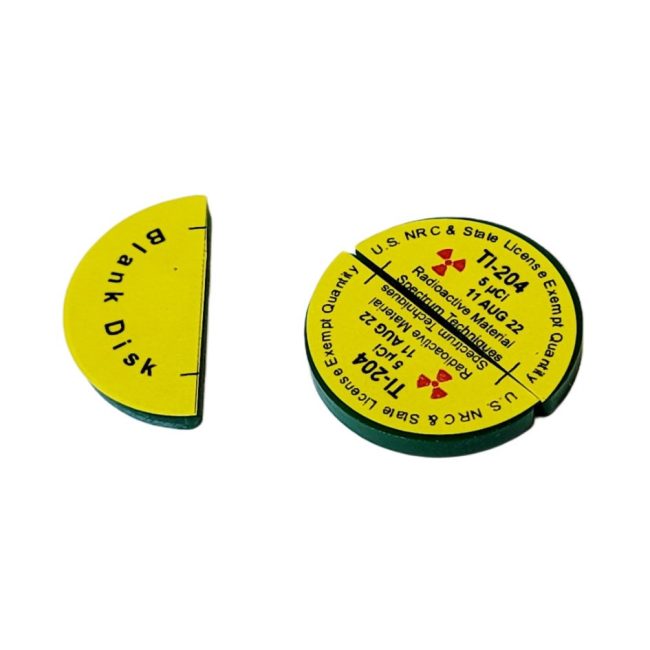
RSS2 GM Resolving Time Set
The SPECTRUM TECHNIQUES RSS2 GM Resolving Time Set is a sealed radioactive source kit designed to measure the reaction speed of Geiger-Müller counters to individual radiation events.
$240.00
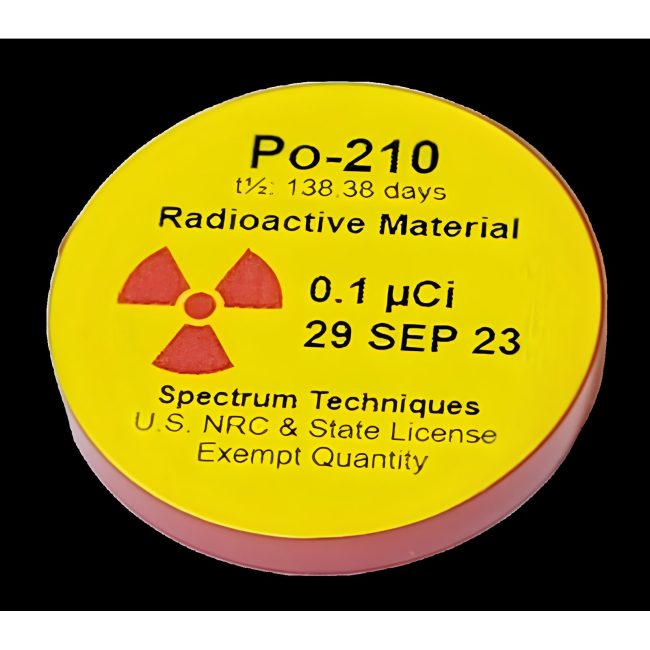
Alpha Disk Sources
Spectrum Techniques Alpha Disk Sources are exempt-quantity alpha-emitter references for calibrating radiation protection probes and supporting laboratory, educational, and security applications.
$0.00
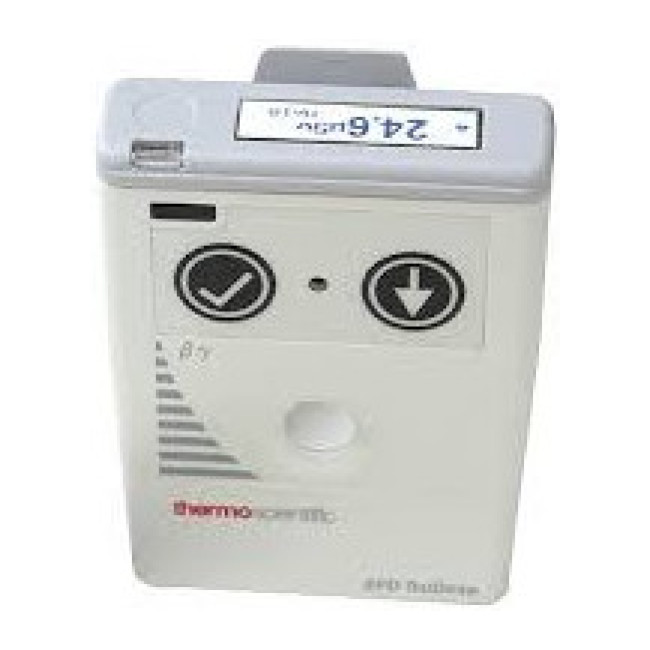
EPD Mk2 / Mk2+
The Thermo Scientific EPD Mk2+ is an advanced electronic personal dosimeter for monitoring radiation exposure in organizations, utilities, agencies, and research laboratories.
$0.00
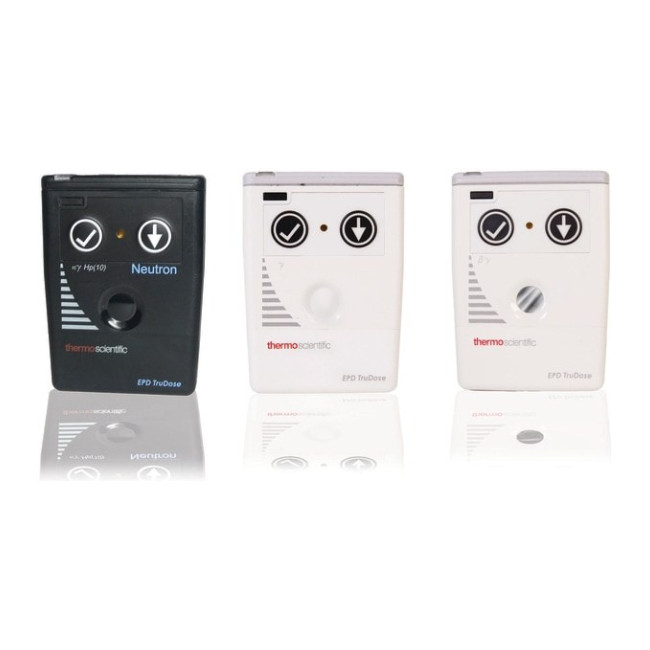
EPD TruDose
Thermo Scientific EPD TruDose is an electronic personal dosimeter for monitoring employee radiation exposure in any work environment.
Price range: $949.00 through $1,300.00
Choosing a radiation detector for response and safety work
Detect, measure or identify?
Start with the question each instrument answers.
- Personal radiation detectors (PRDs) alert the wearer to elevated radiation: the Thermo Scientific RadEye PRD, Polimaster PM1703MA-II/BT, and gamma-neutron models such as the PM1703GNA-II MBT and RadEye GN+.
- Electronic dosimeters record accumulated dose: the Mirion DMC 3000, Thermo Scientific EPD TruDose and EPD Mk2+, and the Polimaster PM1621 family.
- Survey meters measure dose rate to set zones and find sources: RadEye G, G-10, GF and the low-energy GF-10, plus the FH 40 G with interchangeable probes.
- Contamination meters check people, gear and surfaces for alpha and beta: RadEye AB100, B20-ER and HEC+.
- Isotope identifiers (RIIDs) name the source: RIIDEye X/M, X-GN and M-GN, and the Symetrica VeriFinder Responder.
Gamma only, or gamma-neutron?
Gamma detection covers most medical and industrial sources. Gamma-neutron instruments add a neutron channel, which matters in security and interdiction work because some special nuclear material emits neutrons. For explosive atmospheres, the RadEye GF-Ex and G-Ex are intrinsically safe.
Area search and fixed screening
For large events and sweeps, Polimaster PoliPack backpacks (G, GN and the spectroscopic GN-S) let an operator survey on foot, and the PM1710A and PM1710GNA are handheld search monitors for locating sources. Fixed options include the RadHalo spectroscopic area monitor, the PM12 portal monitor, the iPCM-12 whole-body contamination portal and the FHT 6020 multichannel display and alarm unit.
Keeping instruments ready
Plan for a source check before use and periodic calibration. Spectrum Techniques exempt-quantity disk, rod and credit-card sources support functional checks and training, and NIST-traceable sources support calibration. FarrWest's Service Program includes radiation detection with annual certified calibration, and the Repair Depot ties calibration certificates to each instrument's serial number. Comparing identifiers? Read Symetrica VeriFinder S100 vs S200 vs S300, or browse chemical detection to round out a CBRNE kit.
Frequently asked questions
What radiation detector do first responders need?
Most agencies start with a personal radiation detector for each responder, such as the Thermo Scientific RadEye PRD or a Polimaster PM1703 model, to warn of elevated radiation. Hazmat teams then add a survey meter to measure dose rate and set zones, a contamination meter for alpha and beta, electronic dosimeters to track exposure, and a handheld isotope identifier to name the source.
What is the difference between a personal radiation detector and a dosimeter?
A personal radiation detector is an alarm and search tool. It reacts quickly to rising radiation so the wearer knows to stop, back out or start looking for the source. A dosimeter keeps a running total of the dose the wearer has received, which supports exposure records and turn-back limits. Some instruments, such as the Polimaster PM1703MO-II BT, combine both functions in one device.
What is a portable isotope identifier?
A radioisotope identification device, or RIID, collects a gamma energy spectrum and matches it against a library to name the isotope, for example telling a medical source apart from industrial or naturally occurring material. Handheld examples include the Thermo Scientific RIIDEye X/M, the gamma-neutron RIIDEye X-GN and M-GN, and the Symetrica VeriFinder Responder, which is built to identify multiple and masked isotopes.
Why do some radiation detectors include neutron detection?
Gamma detection finds most medical and industrial sources, but some special nuclear material emits neutrons, so security and interdiction teams often want both channels. Gamma-neutron instruments in this category include the RadEye GN+, Polimaster PM1710GNA, PM1703GNA-II MBT and PoliPack GN. Some newer identifiers, such as the RIIDEye M-GN and Symetrica VeriFinder Responder, detect neutrons without helium-3 tubes.
How often should radiation detectors be calibrated?
Annual calibration is the common practice for radiation instruments, with a quick source check before use to confirm the detector responds. Spectrum Techniques exempt-quantity check sources are made for those functional checks. FarrWest's Service Program includes radiation detection with annual certified calibration and on-site maintenance, and Repair Depot calibration certificates are tied to each instrument's serial number for its service life.