

Chemical Detection
Unknown liquid in a drum, white powder in an envelope, a vapor nobody can name: this is the gear hazmat teams use to answer "what is it?" It runs from handheld identifiers such as the Smiths Detection HazMatID Elite (FTIR), Rigaku ResQ FLX (Raman) and 908 Devices MX908 (high-pressure mass spectrometry) to vapor detectors like the Environics ChemPro X and Proengin AP4C, plus Honeywell colorimetric tubes, M8 and M9 agent paper, and test strips.
FarrWest's Service Program covers chemical detection, with on-site maintenance and annual certified calibration.
Browse Chemical Detection

Tax-exempt
Tax-exempt agency or organization?Set up a tax-exempt FarrWest account and skip sales tax at checkout. One certificate, every order.
Apply for tax-exempt status →Featured Chemical Detection equipment
 XplorIR Handheld FTIR Gas Analyzer
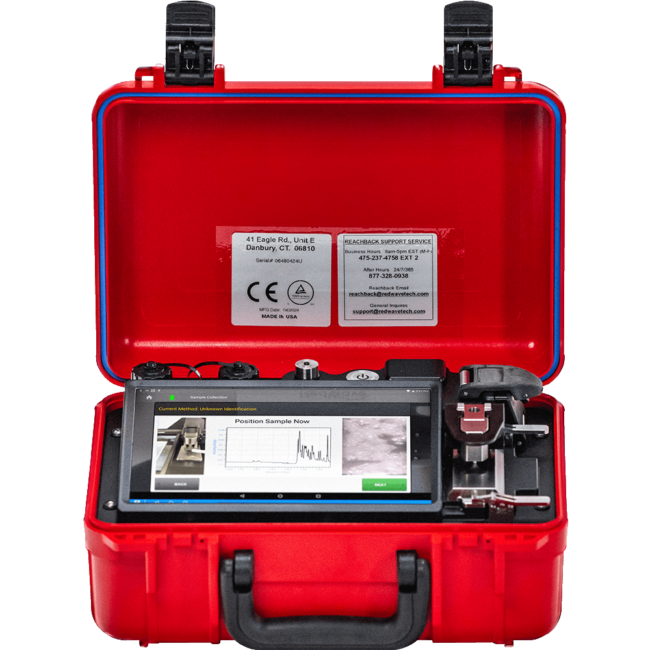 ThreatID FTIR Chemical Identifier
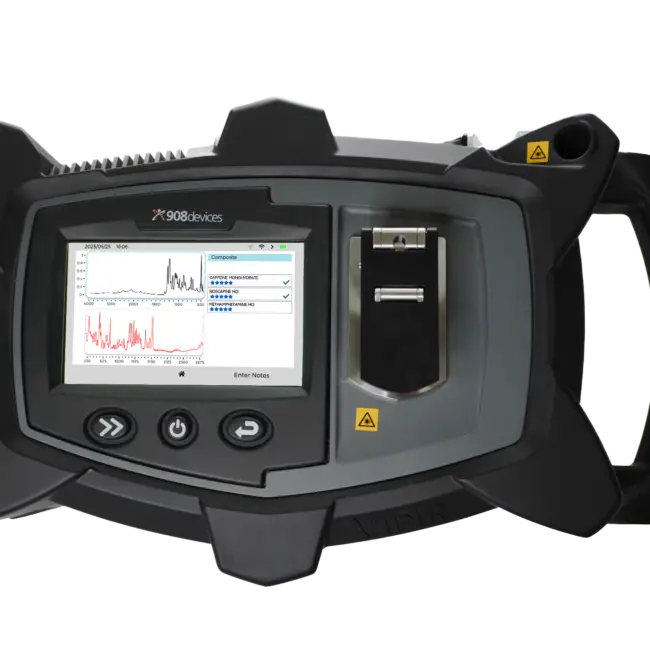 VipIR FTIR + Raman Analyzer
 ProtectIR Portable FTIR Spectrometer
 Rigaku Icon-X Handheld 1064 nm Raman Analyzer
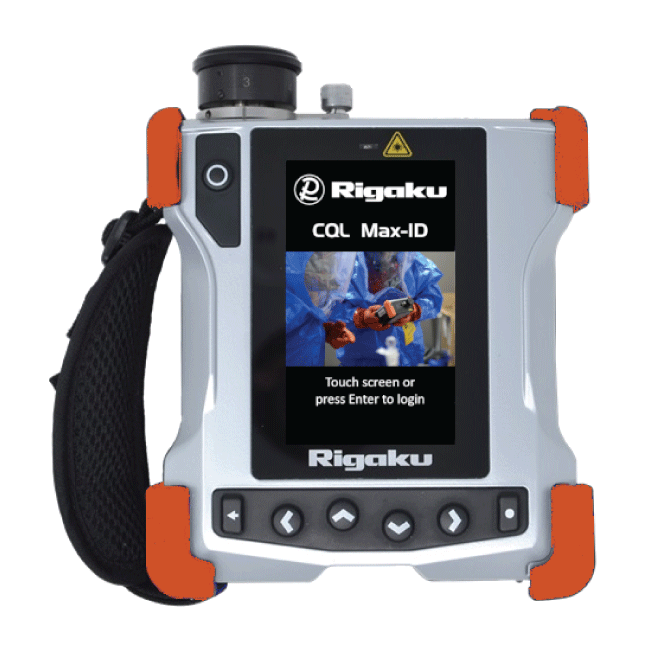 Rigaku CQL Max-ID Handheld Raman Identifier
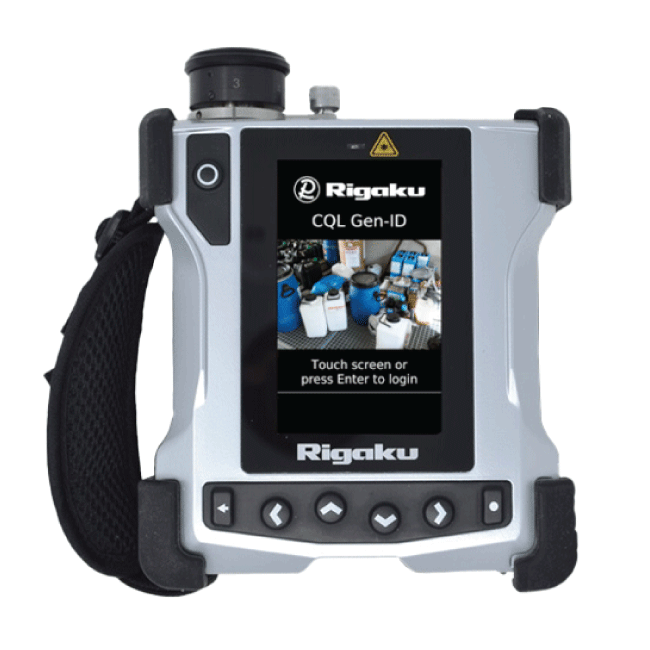 Rigaku CQL Gen-ID Handheld Raman Analyzer
 Rigaku CQL Narc-ID Raman Narcotics Analyzer
 Proengin AP4C Handheld Chemical Detector
 Proengin AP4C-F Fixed 24/7 Chemical Detector
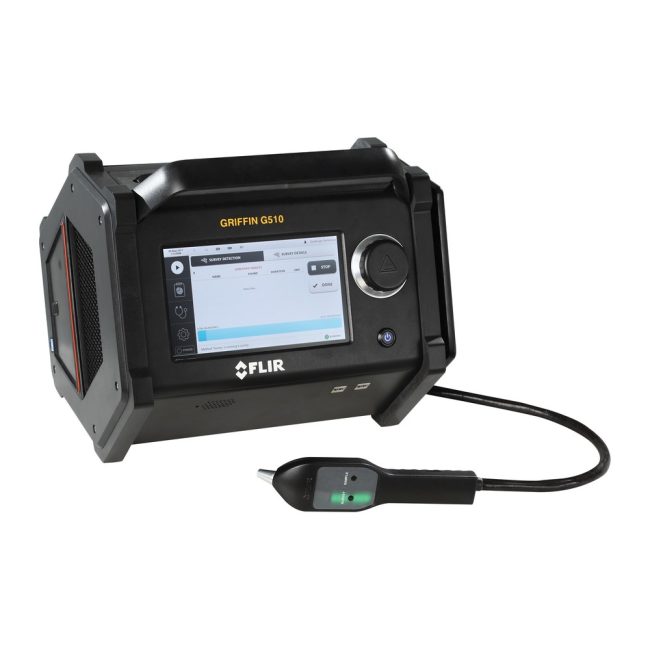 Griffin G510 Person-Portable GC-MS
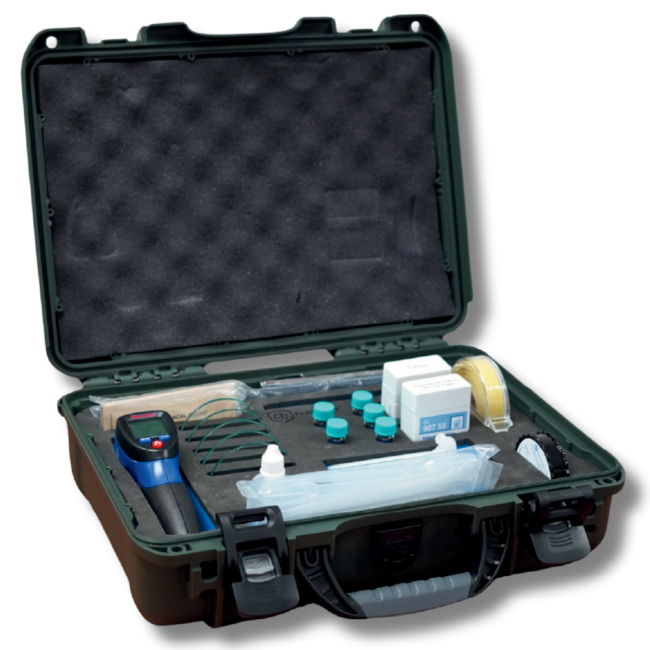 HCI Chemical Identification Kit – Test Papers

Dräger-Tubes
Dräger-Tubes are colorimetric detector tubes for reliably identifying and measuring hazardous gases and vapors in air samples for laboratory analysis.
Price range: $106.00 through $123.00

Fluoride Test Paper (Box of 200)
Fluoride test paper for detecting fluoride ions and hydrogen fluoride, 200 strips per box.
Part # F-100
$44.50
Hazardous Chemical Identification (HCI) Kit – Colorimetric Paper & Field Testing Kit
The FarrWest HCI Kit is a complete colorimetric paper testing kit for rapid, on-scene identification of hazardous chemicals.
$795.00
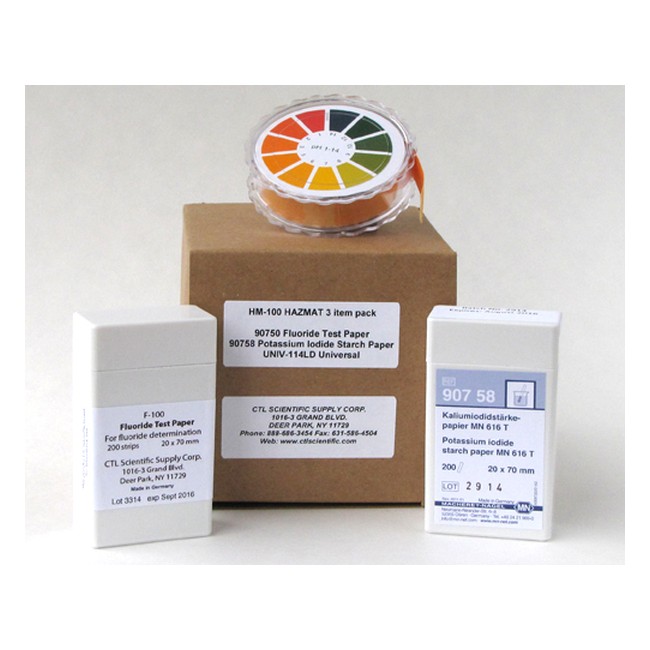
HAZMAT 3-Item Test Paper Pack (pH, Oxidizer, Fluoride)
Three-box hazmat test paper pack: universal pH 1-14, potassium iodide starch (oxidizer) and fluoride paper, 200 strips each.
Part # HM-300
$80.50
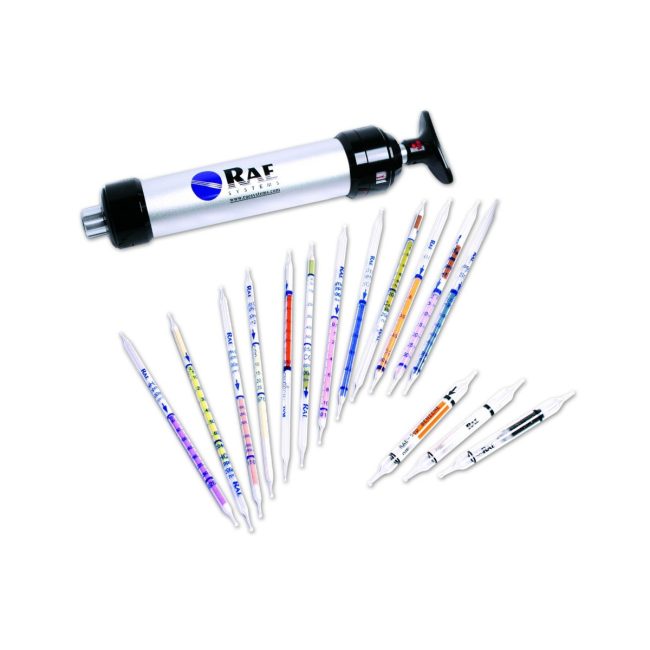
Honeywell Colorimetric Gas Detection Tubes
Single-use Honeywell colorimetric tubes for compound-specific measurement of 34 toxic and combustible gases and vapors. 70 gas and range options; use with the LP-1200 hand pump.
Price range: $84.75 through $114.13
Honeywell LP-1200 Piston Hand Pump
Honeywell LP-1200 piston hand pump for colorimetric gas detection tubes, drawing 50 cc and 100 cc samples. Kit, pump only, spares and accessories.
Price range: $38.42 through $455.39

Industrial Test Systems Water Quality Test Kit, 15-Param, 25Test
15-parameter city & well water test kit.
Part # 487986
$53.99
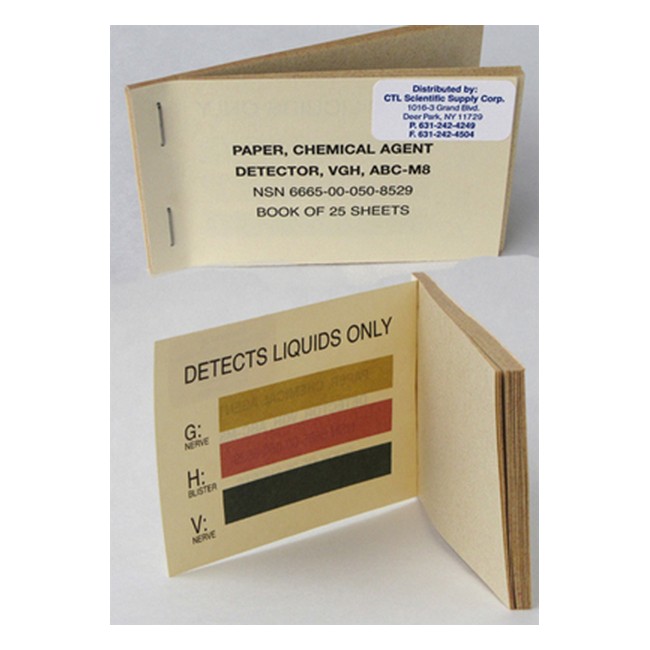
M8 Chemical Agent Detector Paper (Booklet of 25)
M8 detector paper for identifying liquid nerve (G, V) and blister (H) chemical warfare agents, in a booklet of 25 sheets.
Part # M8-100
$9.30
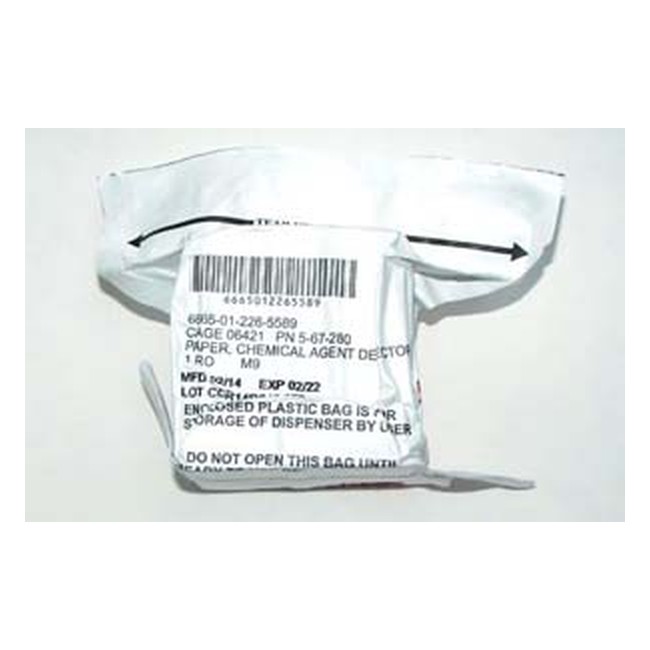
M9 Chemical Agent Detector Paper Roll (9.1 m x 5.1 cm)
Adhesive-backed M9 chemical agent detector paper on a 9.1 m roll, for continuous liquid-agent detection on PPE and equipment.
Part # M9-100
$48.50
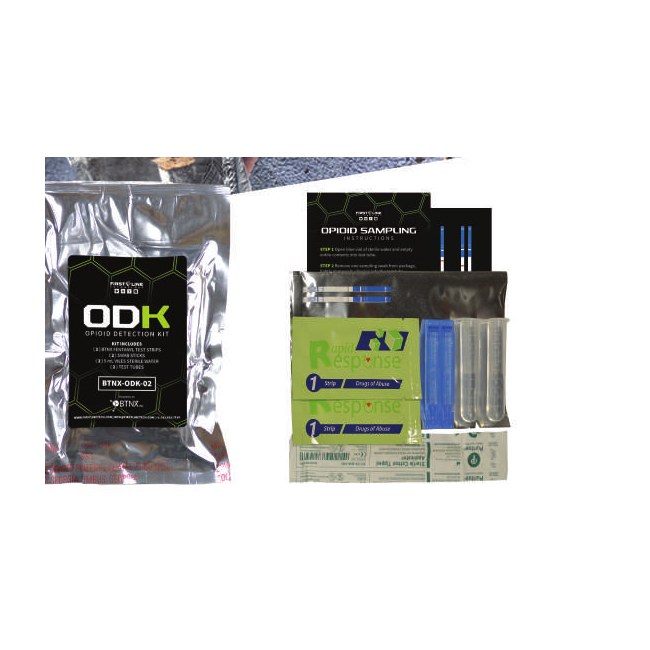
ODK Opioid Detection Kit – Fentanyl Trace Detection
The Opioid Detection Kit (ODK), powered by BTNX, lets responders quickly and accurately detect trace amounts of fentanyl and other synthetic opioids on scene with two rapid-response test strips, swabs, sterile water and test tubes.
Price range: $18.90 through $469.14
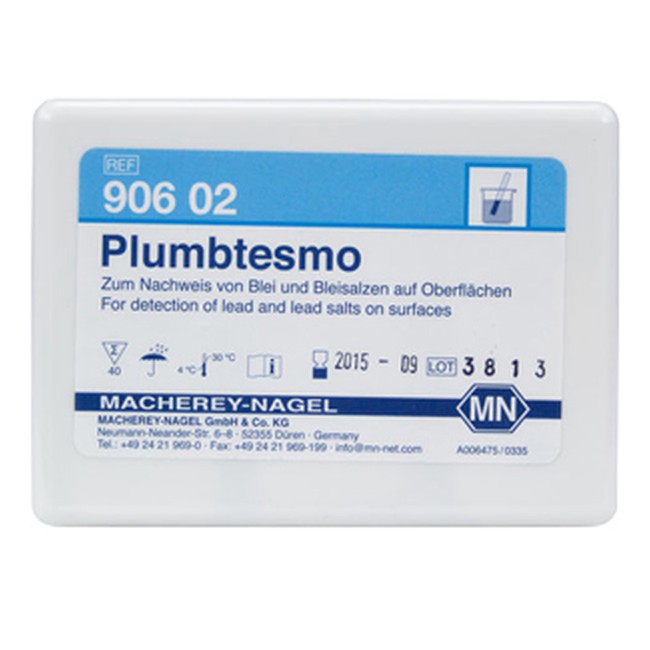
PLUMBTESMO Lead Test Paper (40 Tests)
Test paper for detecting metallic lead and lead salts on surfaces and in solutions, 40 papers.
Part # 90602
$73.20
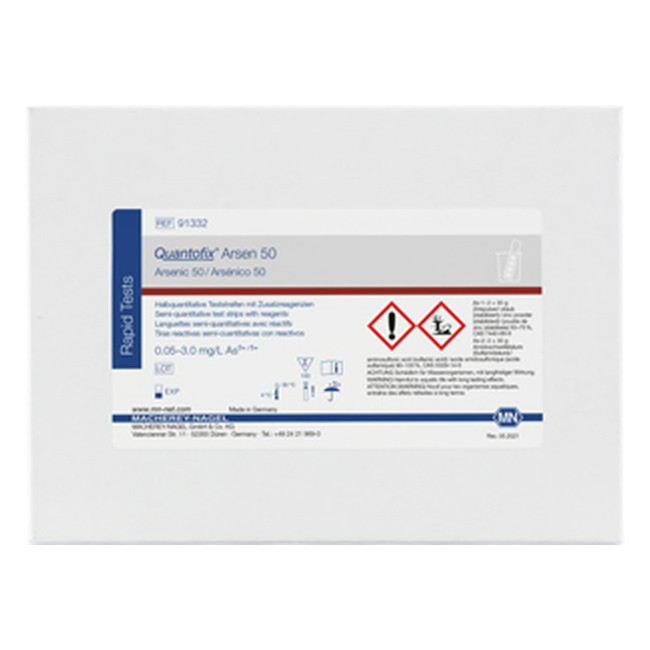
QUANTOFIX Arsenic 50 Test Kit
Semi-quantitative arsenic test strips with reagents, 0-3.0 mg/L As3+/5+, 100 determinations.
Part # 91332
$112.00
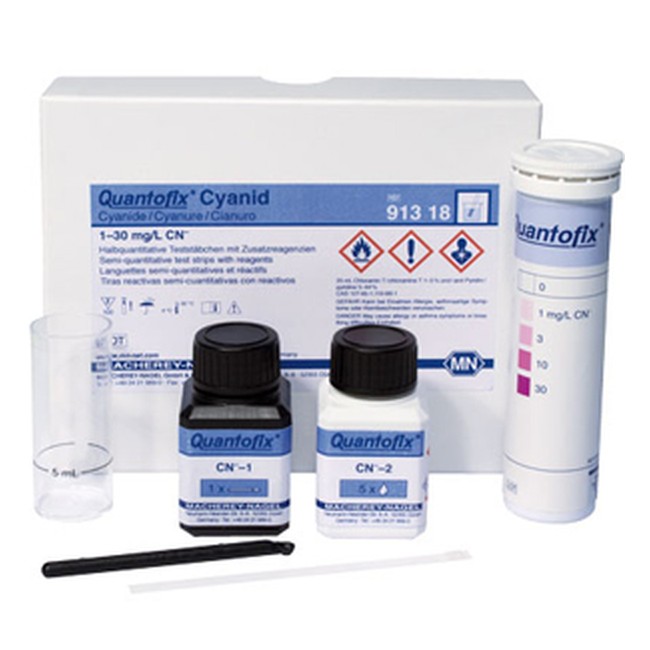
QUANTOFIX Cyanide Test Kit
Semi-quantitative cyanide test strips with reagents, 0-30 mg/L CN-, 100 determinations.
Part # 91318
$88.40
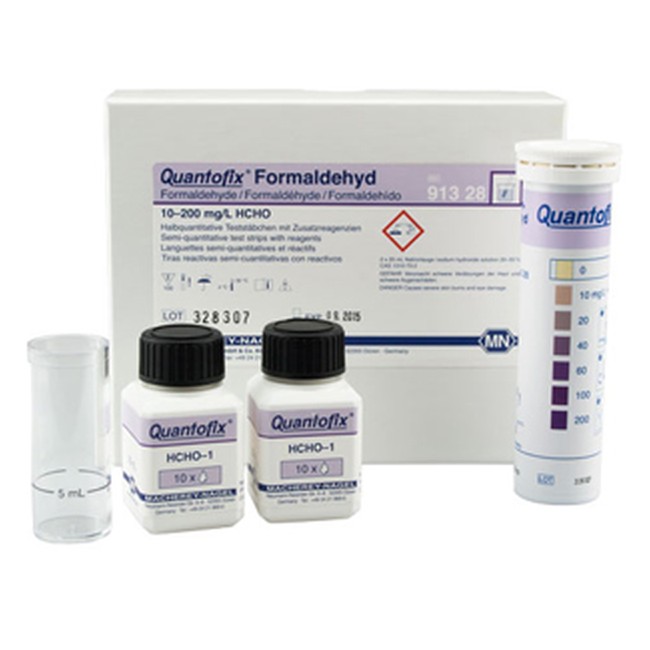
QUANTOFIX Formaldehyde Test Kit
Semi-quantitative formaldehyde test strips with reagents, 0-200 mg/L, 100 determinations.
Part # 91328
$74.80
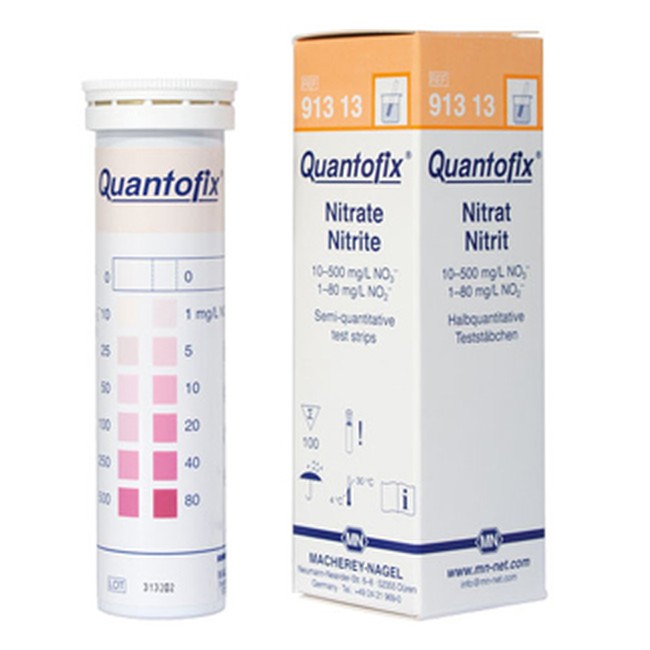
QUANTOFIX Nitrate/Nitrite Test Strips
Dual-pad test strips for nitrate (0-500 mg/L) and nitrite (0-80 mg/L), 100 strips.
Part # 91313
$45.10
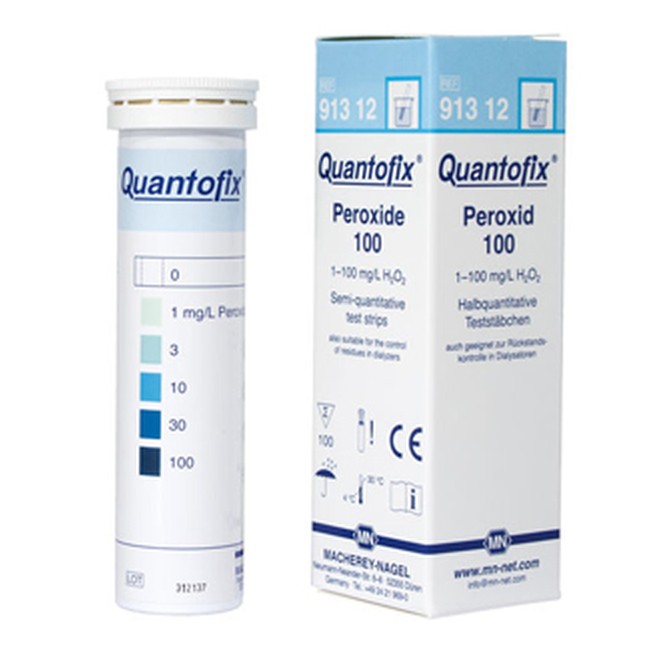
QUANTOFIX Peroxide 100 Test Strips
Semi-quantitative test strips for hydrogen peroxide and peroxides, 0-100 mg/L H2O2, 100 strips.
Part # 91312
$41.90
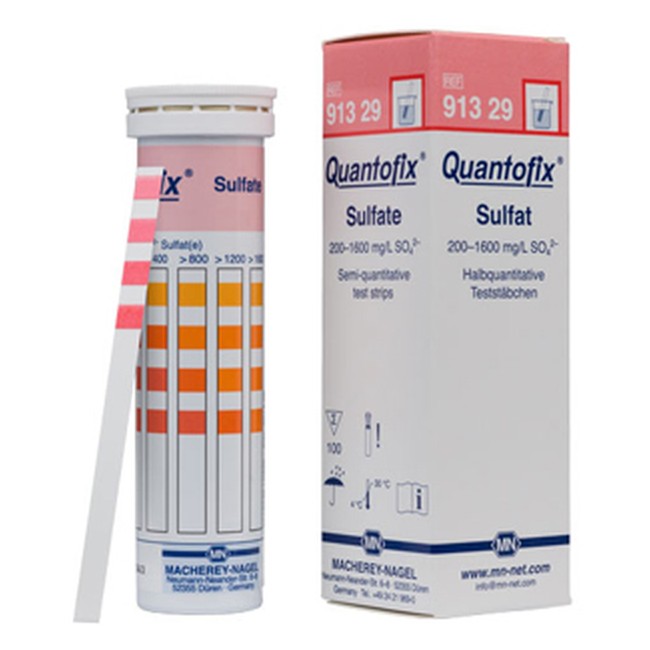
QUANTOFIX Sulfate Test Strips
Semi-quantitative sulfate test strips, 1600 mg/L SO4 2-, 100 strips.
Part # 91329
$45.30
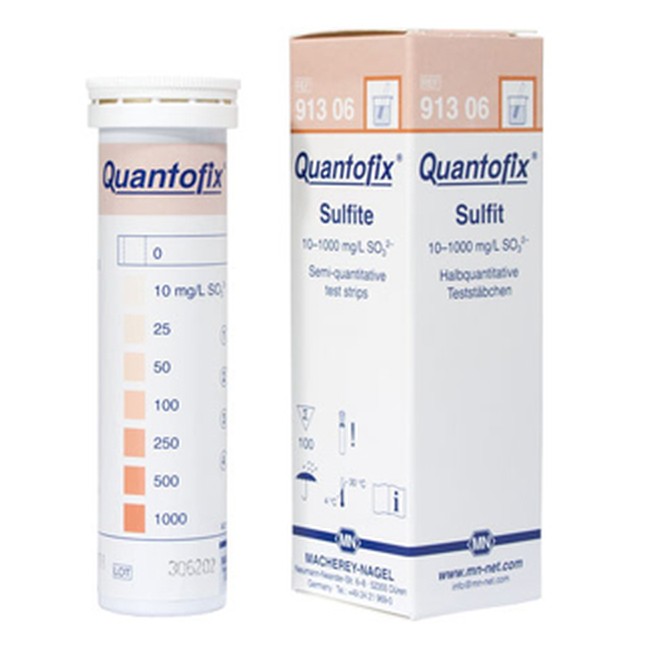
QUANTOFIX Sulfite Test Strips
Semi-quantitative sulfite test strips, 0-1000 mg/L SO3 2-, 100 strips.
Part # 91306
$44.90

Universal pH 1-14 Test Paper Strips (Box of 200)
Universal indicator pH paper strips covering pH 1-14, 200 strips per box, for fast corrosivity screening of liquids.
Part # U-100
$15.50
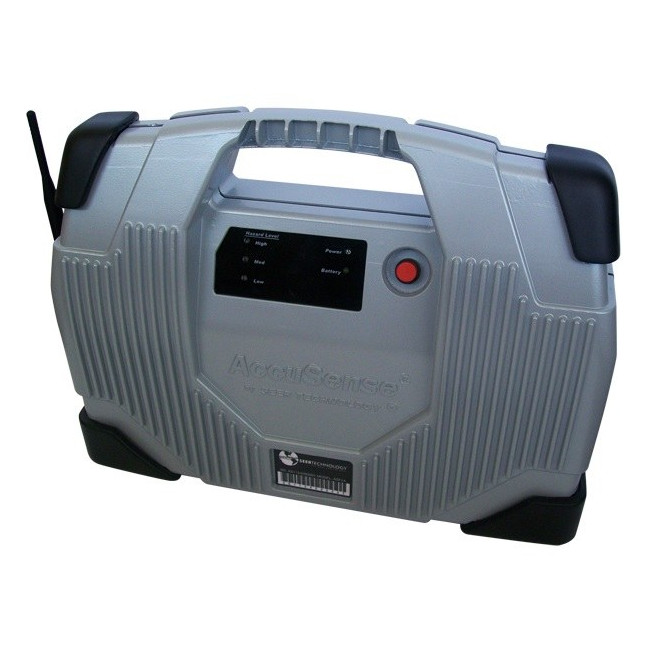
AccuSense Portable Gas Chromatograph
The AccuSense portable gas chromatograph is a wireless chemical detection system for first responders and hazmat teams to identify and quantify multiple toxic gases in real time.
$0.00
AP4C-F
The Proengin AP4C-F is a fixed-mounted chemical detector providing 24/7 continuous monitoring for naval vessels and critical infrastructure protection against chemical and toxic threats.
$0.00

ChemProX
The Environics ChemProX is a rugged handheld chemical detector for rapid CWA and TIC identification in field operations, requiring no consumables or routine calibration.
$0.00
CQL Gen-ID
The Rigaku CQL Gen-ID is a cost-effective Raman analyzer for identifying narcotics, explosives, and precursor chemicals in the field.
$0.00
CQL Max-ID
The Rigaku CQL Max-ID is an AI-powered identification device built to quickly identify narcotics, explosives, chemical warfare agents, and toxic industrial chemicals.
$0.00
Choosing a chemical identification instrument
Match the technology to the sample
No single technique identifies everything, so most teams carry more than one.
- Raman (Rigaku ResQ FLX, Icon-X and the CQL series) shines a laser at solids and liquids and can often read through clear or translucent containers. The ResQ FLX and Icon-X use a 1064 nm laser, chosen to limit fluorescence. Dark samples can absorb laser energy and heat up, so take care with suspected energetics.
- FTIR (Smiths Detection HazMatID Elite, 908 Devices ThreatID and ProtectIR) measures a sample in contact with the instrument and handles colored material that gives Raman trouble.
- Raman plus FTIR in one unit (908 Devices VipIR, Thermo Scientific Gemini) gives two independent reads for higher-confidence results.
- Mass spectrometry: the MX908 detects trace explosives, chemicals and narcotics; the FLIR Griffin G510 is a portable GC/MS for identification in the field.
Vapor and air monitoring
For airborne threats, use gas-phase tools. The 908 Devices XplorIR is a handheld FTIR gas identifier, and its Quantification Package adds ppm-level concentration measurement. The Seer Technology AccuSense portable gas chromatograph identifies and quantifies multiple toxic gases in real time. For chemical warfare agents and toxic industrial chemicals, IMS detectors such as the Environics ChemPro X and the body-worn Smiths Detection LCD 4 alarm on vapors, and the Proengin AP4C uses flame spectrometry. The AP4C-F and ChemProDM cover fixed and vehicle installations.
Low-cost screening still earns its place
Colorimetric methods are fast, cheap and need no power. Honeywell colorimetric tubes with the LP-1200 hand pump measure specific gases. CTL Scientific pH, oxidizer and fluoride papers screen unknown liquids, M8 paper flags liquid nerve and blister agents, and M9 tape rides on PPE. The FarrWest HCI Kit packages colorimetric paper testing for on-scene identification. Many teams screen with these first, then confirm with an instrument.
Owning the instrument
Budget for library updates, batteries, consumables where the method uses them, and periodic service. Our Service Program covers chemical detection with on-site maintenance and annual certified calibration, and the FarrWest Hazmat Academy builds training around your agency's equipment. Weighing Rigaku's narcotics-focused units? See CQL Narc-ID vs Gen-ID vs Max-ID. Agencies can buy through BuyBoard or PCA without a separate bid.
Frequently asked questions
What equipment do hazmat teams use to identify unknown chemicals?
Most teams layer several methods. Colorimetric papers and tubes give a fast first screen. Handheld Raman and FTIR analyzers identify solids and liquids against an onboard library, and handheld mass spectrometers such as the 908 Devices MX908 work on trace samples. IMS detectors like the Environics ChemPro X watch for chemical warfare agent and toxic industrial chemical vapors. Running two different techniques on the same sample raises confidence in the result.
What is the difference between Raman and FTIR chemical identifiers?
Raman analyzers shine a laser on the sample and read the scattered light, so they can often test through clear glass or plastic without opening the container. FTIR analyzers measure infrared absorption with the sample in contact with the instrument, and they handle dark or colored samples that can cause problems for Raman. Because the strengths complement each other, the 908 Devices VipIR and Thermo Scientific Gemini combine both in one handheld.
What is a handheld mass spectrometer used for in hazmat response?
A handheld mass spectrometer identifies chemicals from very small amounts, which helps when only a trace residue is available. The 908 Devices MX908 uses high-pressure mass spectrometry to detect trace explosives, chemicals and narcotics, and it can be paired with an aerosol module or a Beacon accessory for remote area monitoring. For field identification with a separation step, the FLIR Griffin G510 combines gas chromatography with mass spectrometry.
What are colorimetric tubes and what are their limitations?
Colorimetric tubes are sealed glass tubes packed with a reagent that changes color when a specific gas or vapor is drawn through with a hand pump, such as the Honeywell LP-1200. The length of the color stain indicates concentration. The limits: each tube targets one compound or class, other chemicals can interfere, temperature and humidity affect readings, tubes have a shelf life, and each tube is used once.
How do responders detect chemical warfare agents in the field?
For vapors, ion mobility spectrometry detectors such as the Environics ChemPro X and the body-worn Smiths Detection LCD 4 alarm on chemical warfare agents and toxic industrial chemicals, and the Proengin AP4C uses flame spectrometry. For liquids, M8 paper identifies G and V nerve agents and H blister agents, while adhesive M9 tape on PPE and equipment provides continuous liquid-agent detection. Teams often confirm with a handheld identifier.
How often does a chemical detector need calibration or service?
It depends on the technology. Some IMS detectors, such as the Environics ChemProX, are built to need no consumables or routine calibration, while other instruments need periodic verification, library updates and annual service. FarrWest's Service Program covers chemical detection with on-site maintenance on a cycle between 30 and 180 days, annual certified calibration and 24/7/365 technical support, all under one annual purchase order.